The second buyer
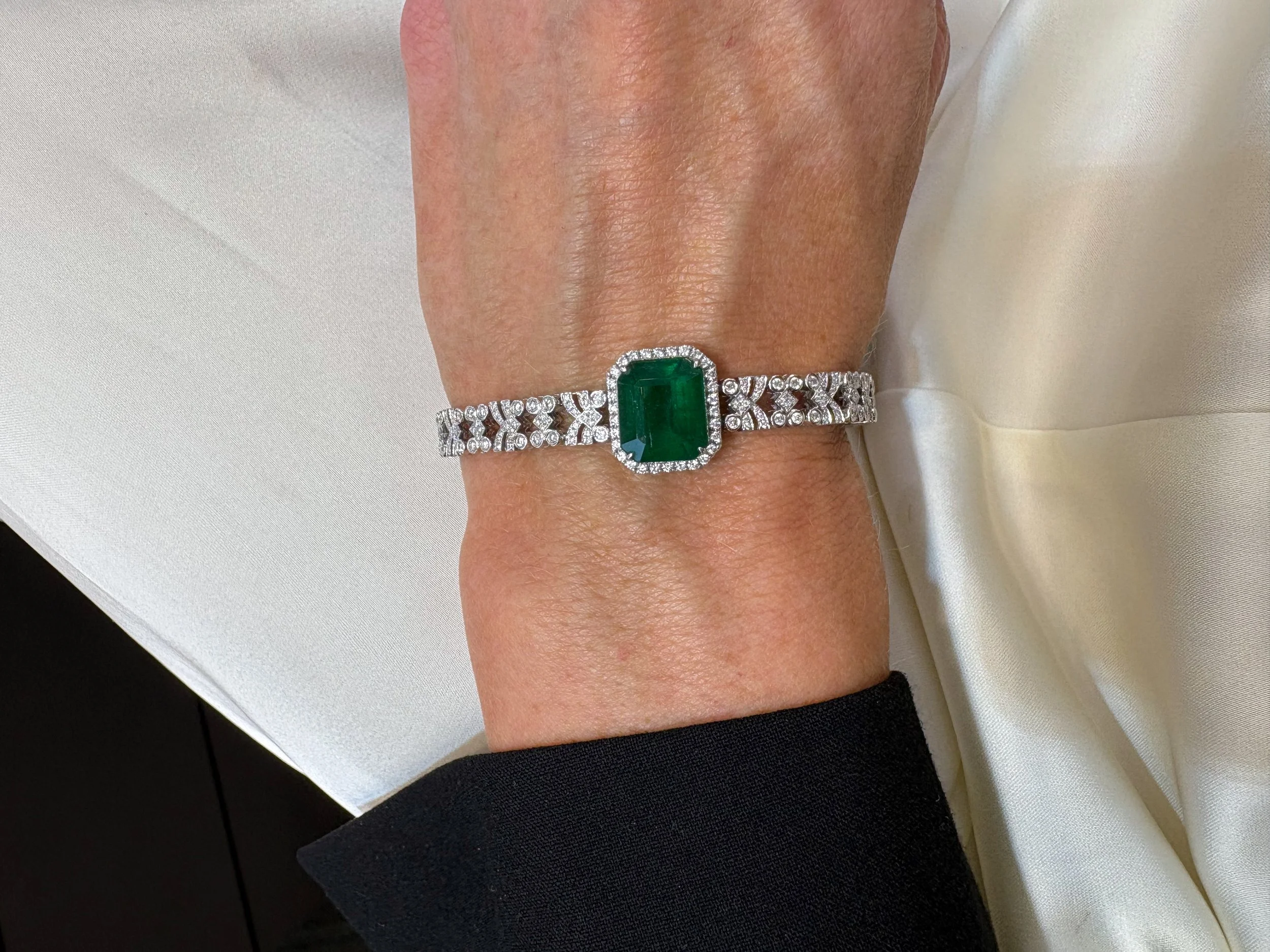
A stone has three ways out. Auction, selling to a dealer, or a private sale. Each pays a different price, none of them pays what the retail invoice said, and which one a stone qualifies for is decided when you buy it rather than when you sell it.
What an auction actually costs
The buyer pays the hammer price plus a fee to the auction house, currently around a quarter on top. The seller pays a commission out of the hammer price, plus insurance, photography and shipping. The buyer spends well above the hammer. The seller receives well below it. That gap has to be covered by growth in the stone before selling at auction makes sense.
Which makes resale a buying question. A stone bought at retail rarely covers the gap. A stone bought at trade price sometimes does.
What each type of stone is priced on
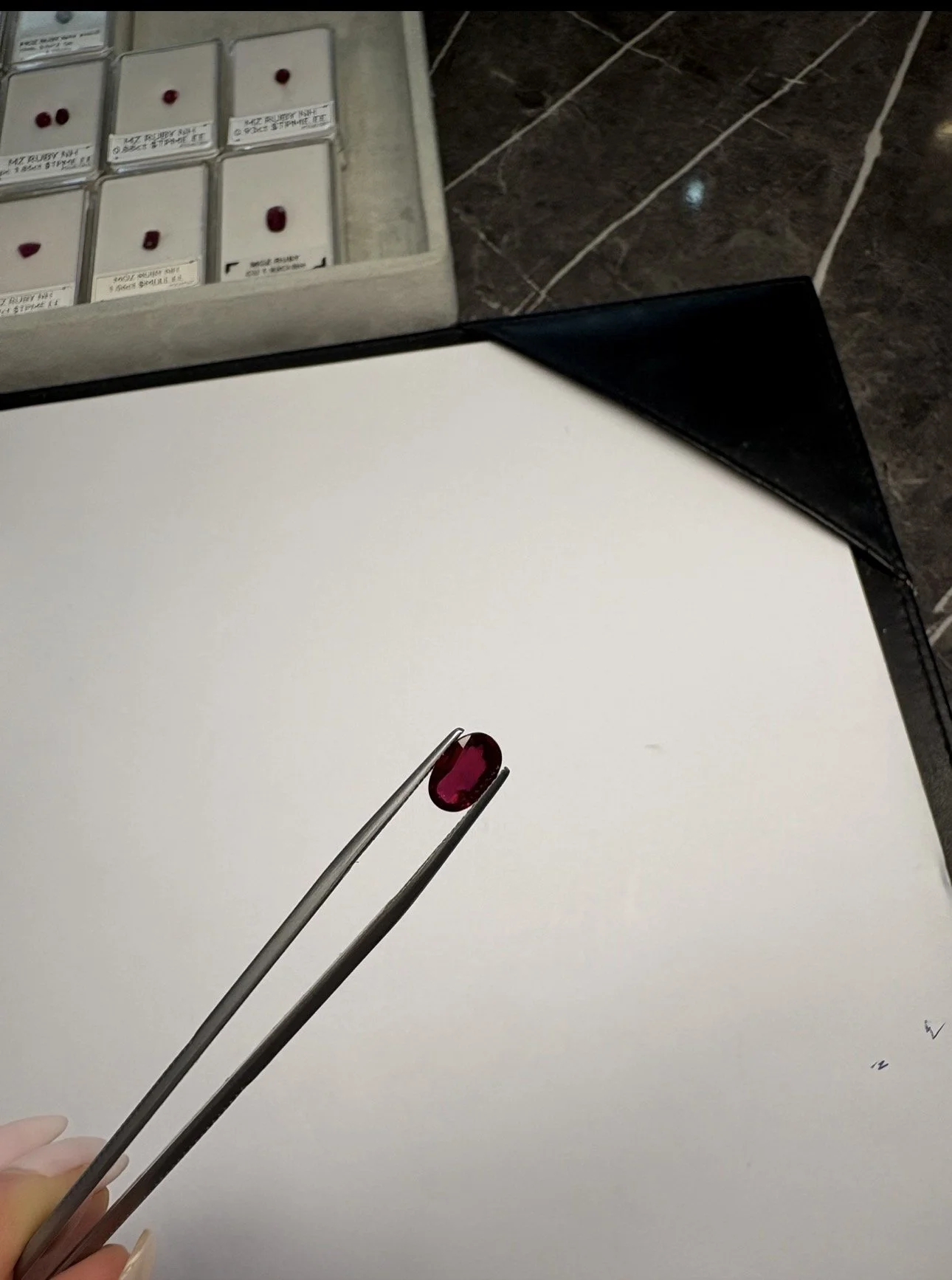
A colored gemstone is priced on a combination. Where it came from, whether it has been treated, and how good it is all have to line up at once. An unheated Burmese ruby with average color is not scarce. Good color from a mine still in production is not scarce either. Only the combination is rare.
A fancy color diamond is simpler. The color and how strong that color is decide the price. Where it was mined barely matters, outside Argyle pinks and reds. Clarity counts for less than it would in a white diamond, because the color is doing the work.
The line between one grade and the next
Color grades are set by eye, by comparing a stone against reference stones held by the laboratory. A diamond sitting right on the line between Fancy Intense and Fancy Vivid can be graded either way if it is submitted again. The price difference between those two grades is not small.
Buying at the top of Intense and hoping a future laboratory calls it Vivid is a bet on someone’s opinion. Buying a stone that sits comfortably inside Vivid removes the bet, and the premium for sitting well inside a grade is usually less than the grade itself is worth.
Old reports are worth less
A gemstone report says what the laboratory could detect on the day it was written. Detection keeps improving. Treatments that went unnoticed in the 1990s are picked up now, and laboratories have expanded their origin records as new mines opened in Mozambique and Madagascar.
So an old report is weaker evidence than a recent one. Where origin or treatment carries a premium, ask for two current reports from separate laboratories that agree. If they disagree, the premium is not real.
What a name adds
A Graff Fancy Intense Yellow diamond ring sold for HKD 2.8 million in October 2022. The center stone weighed 13.32 carats, graded by GIA as Fancy Intense Yellow, natural color, VS2. That works out at roughly USD 27,000 per carat.
Part of that price belongs to the setting. Graff is a name the market connects with important diamonds, so it counts as evidence. Most names do not. Most signed jewelry returns nothing extra on resale, and a good deal of it returns less than the metal and the labor cost to make.
Four things a stone needs
A report from a certified house such as GIA for a diamond, or a current report from a named laboratory such as GRS for a colored gemstone. A color, or a combination of origin and treatment, that cannot simply be ordered in. Size above the point where that type of stone becomes hard to find, genuinely above 3ct's. Paperwork complete enough that a buyer can price it without handling it.
A stone with all four can be sold. A stone with three can only be offered.
Private inquiries regarding acquisition and resale of fancy color diamonds and colored gemstones are handled personally by Claudia. Contact via WhatsApp or the SLIMMS website.