The metal beneath your stone hit a record high
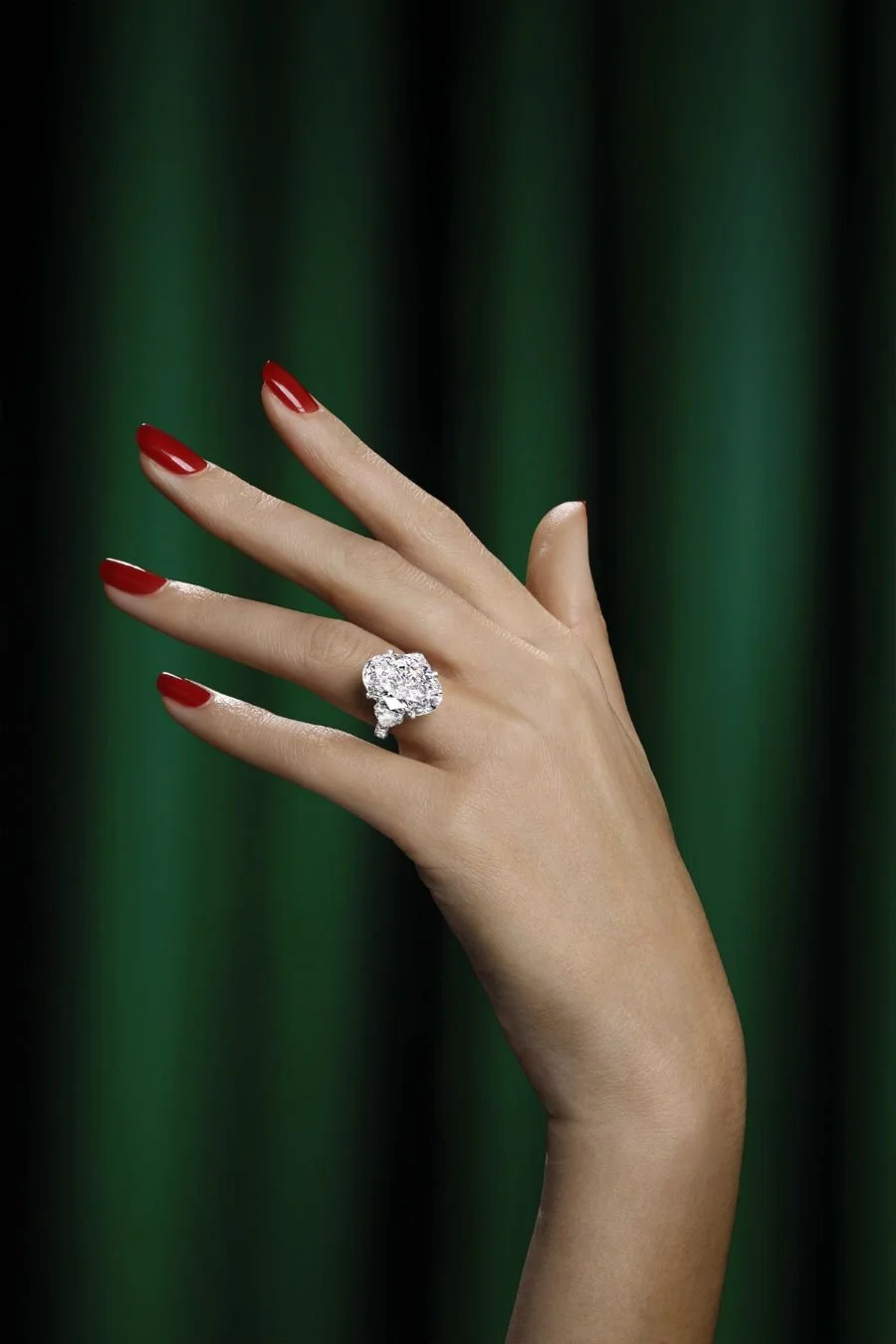
Graff
In January 2026, gold reached $5,595 per ounce. An all-time high. The fastest repricing in the metal's modern history. It took nearly 32 years to move from the 1980 peak to the 2011 record, then roughly 15 months to push from late 2024 highs to January's peak. Gold currently trades at approximately $4,383 per ounce. Still up nearly 19 percent year on year. Still, by any historical measure, extraordinary.
Most people wearing gold jewelry have no idea what is sitting on their wrist.
Rather a pure delightful example of It is an industry failure. The same one that undersells what a certificate confirms, what an origin designation means, what an intensity grade determines. The setting is treated as a backdrop, in fact, it has never been one.
Five thousand years of evidence
Gold's relationship with human civilization back dates centuries.
The ancient Egyptians were among the first to mine it. Its purity and resistance to corrosion, it does not tarnish, does not rust, does not react, made it unlike any other material they encountered. It was associated with the sun, with the divine, with eternal life. The funerary mask of Tutankhamun, still regarded as one of the greatest examples of gold craftsmanship in history, was not decoration- a true statement about what endures.
Every civilization since has arrived at the same conclusion through different means. Gold ornaments marked weddings, coronations, and succession across India, China, Rome, and the Byzantine Empire. The American gold rush in the 19th century and the discovery of deposits across Africa made it more accessible but never common. The symbolic association of gold with wealth and permanence survived every increase in supply.
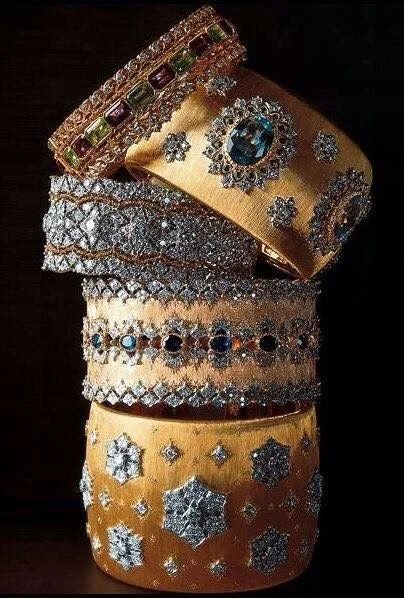
Buccellati
By the 20th century, the great jewelry houses; Cartier, Buccellati, Van Cleef etc, were competing on what they could do with gold as a material. Mario Buccellati revived ancient goldsmithing techniques, cutting parallel lines into gold surfaces to create the appearance of fabric. Aldo Cipullo designed the Cartier Love bracelet and the Juste un Clou in yellow gold. Pieces that are now among the most recognized luxury objects in the world. Yellow gold was not the default. It was the choice.
Five thousand years of human consensus on a single material right there.
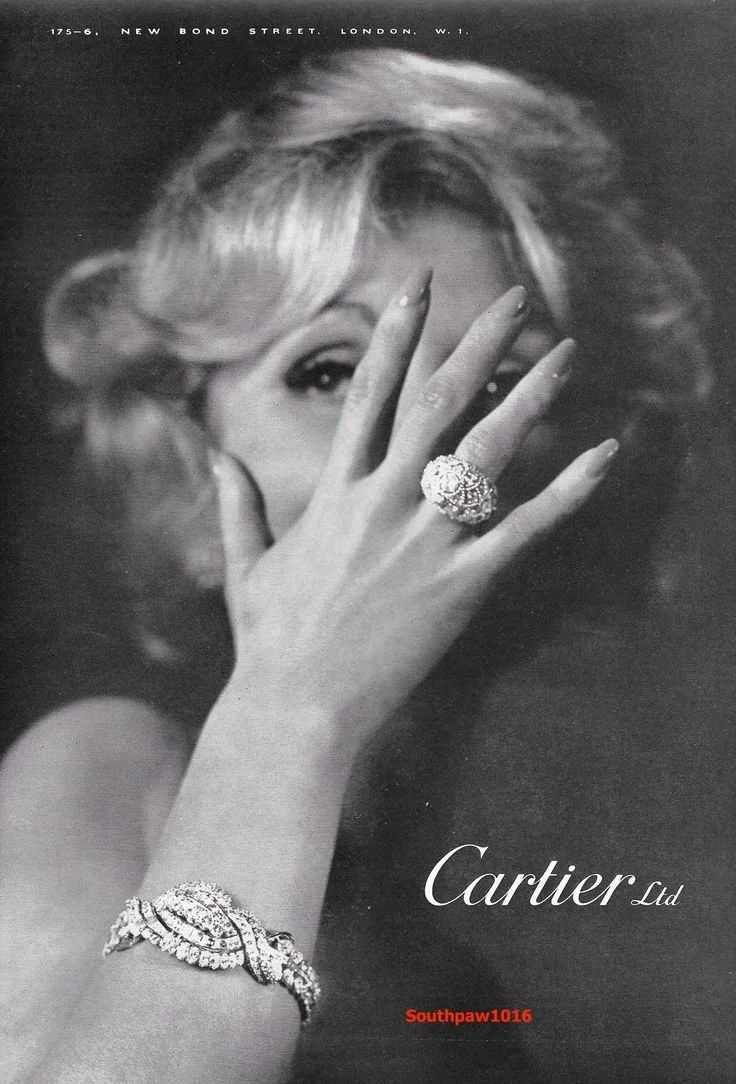
Cartier
What the price actually means
As of mid 2026, pure gold trades at roughly $136 per gram. At 75 percent purity, 18k gold sits at approximately $100 per gram in raw material alone. Every gram of solid 18k gold in a piece of fine jewelry carries real, recoverable value tied directly to that number. That number has roughly doubled in two years.
This matters for a collector in a specific and practical way. The metal beneath your stone is not inert. It is not simply a vehicle for the gem. It is a commodity with a spot price, traded daily, recoverable at melt if nothing else, and recognized without qualification by every reputable dealer, auction house, and private buyer globally.
A fine piece set in 18k gold holds two assets simultaneously. The stone, assessed on its own merits: origin, treatment, certification. And the metal, assessed against the daily spot price of one of the world's most consistently valued commodities. Both are part of the acquisition, both have held, both have, in the current market, appreciated.
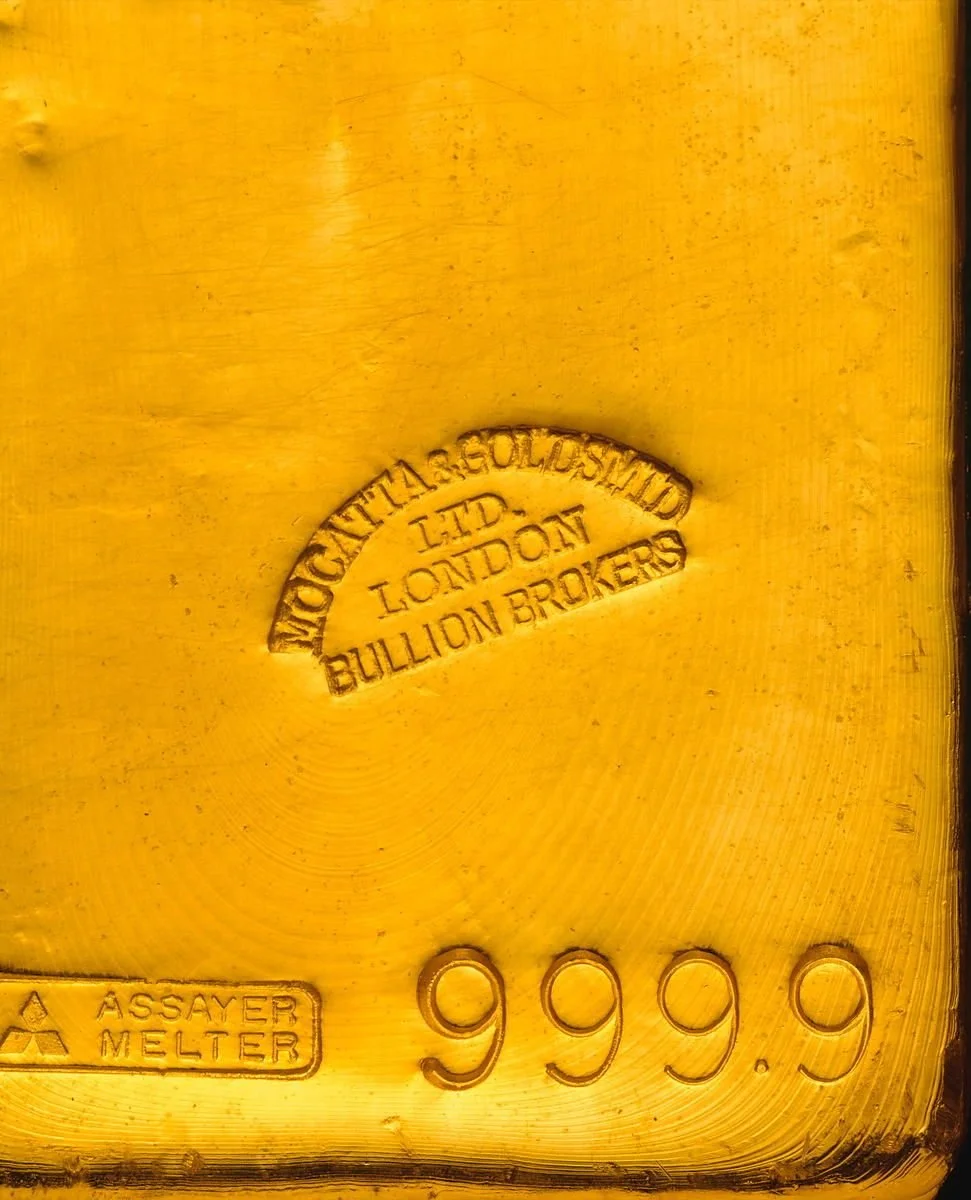
London Bullion
Why 18k and not 9k or 14k
The karat system measures gold purity in parts per 24. 9k gold contains 37.5 percent pure gold (softer). 14k contains 58.3 percent (functional). 18k contains 75 percent (highest of value).
At the current spot price, the difference in raw metal value between a 9k and an 18k piece of equivalent weight is not marginal. On a 10-gram piece, 18k contains approximately 7.5 grams of pure gold. 9k contains 3.75 grams. At $136 per gram, that is a difference of $510 in melt value alone, before craftsmanship, before the stone, before any other consideration.
9k gold is the metal of fast fashion jewelry. It tarnishes faster, carries less intrinsic value, and holds no meaningful position at resale. The major auction houses do not handle 9k pieces in their fine jewelry sales, with great reason to that.
14k is more durable and widely used in commercial jewelry. At 58.3 percent purity it carries real value. It is not the standard that the international fine jewelry market, the major auction houses, or serious private buyers recognize without qualification.
18k is the international standard. The default in Europe, Asia, and the Middle East. Stamped 750, the hallmark any appraiser or resale buyer looks for first. When the time comes to resell, remold, or pass a piece to the next generation, 18k holds its position in every market, in every currency, without explanation.
The setting is part of the investment. It always has been, and it is important you are aware when acquiring.
What this means right now
Gold's January 2026 record has since pulled back. It now trades near $4,383 per ounce, still up significantly from where it stood two years ago. The correction does not change the structural argument. Central bank buying, geopolitical uncertainty, and de-dollarization are the forces driving the gold market. None of which are short-term conditions.
For a collector who acquired fine 18k pieces in 2023 or 2024, the metal component of those acquisitions has appreciated materially. For a collector considering an acquisition now, the question is not whether 18k gold holds value. Five thousand years and a $5,595 per ounce peak answered that. The question is whether the stone it carries meets the same standard.
That is always the question → The setting and the stone → Both assessed →Both confirmed → Neither treated as secondary.
Private inquiries regarding diamond and gemstone acquisition are handled personally by Claudia. Contact via WhatsApp or the SLIMMS website.