Two kinds of rarity
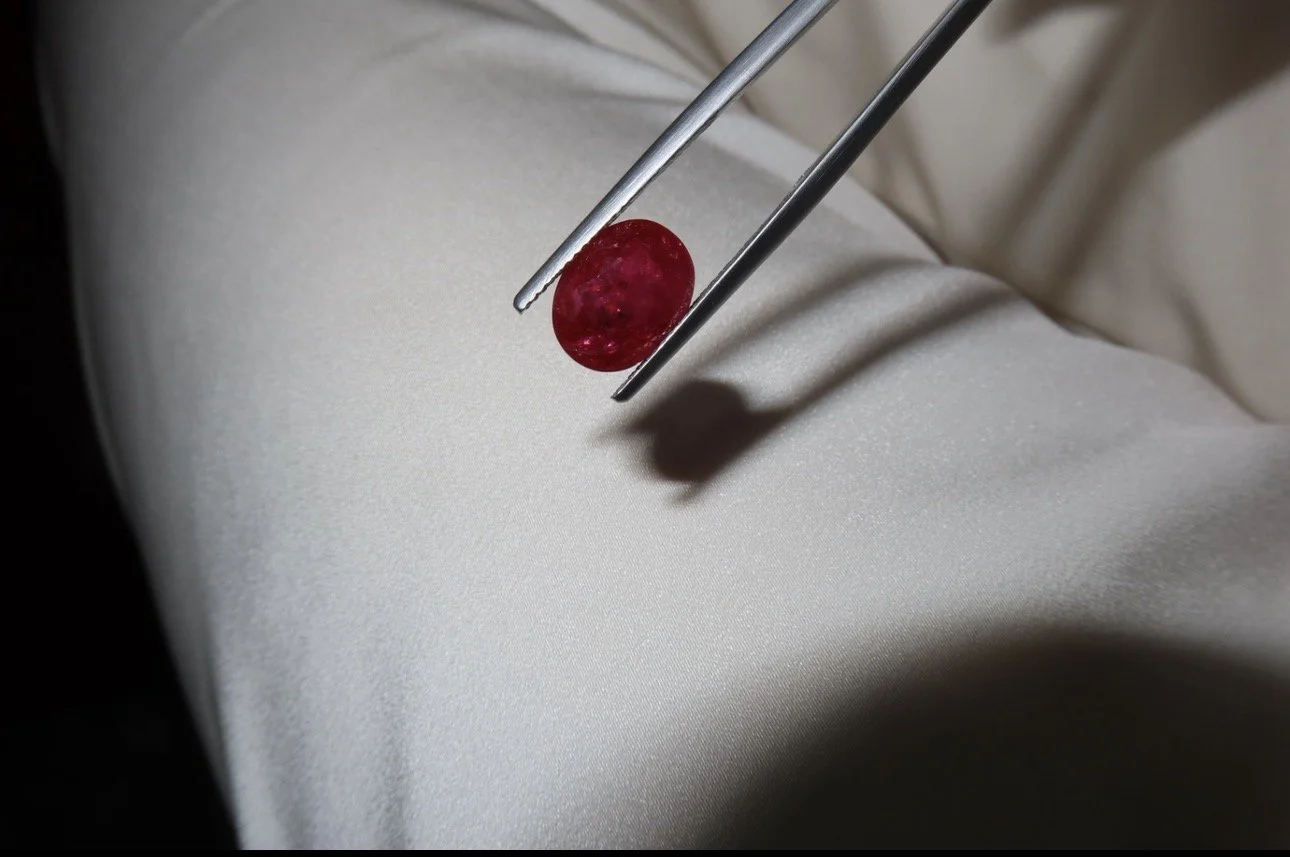
Collectors ask which is rarer, a colored gemstone or a fancy color diamond. At category level the question has no answer. The two are priced by different scarcity mechanisms, and nothing useful happens until they are separated.
A colored gemstone becomes scarce through deposit, treatment status and size. Ruby, sapphire and emerald are each judged against their own color standard. There is no universal scale across the three. An unheated Burmese ruby, a Kashmir sapphire and a Colombian emerald with no clarity enhancement are three separate forms of scarcity that happen to share a market.
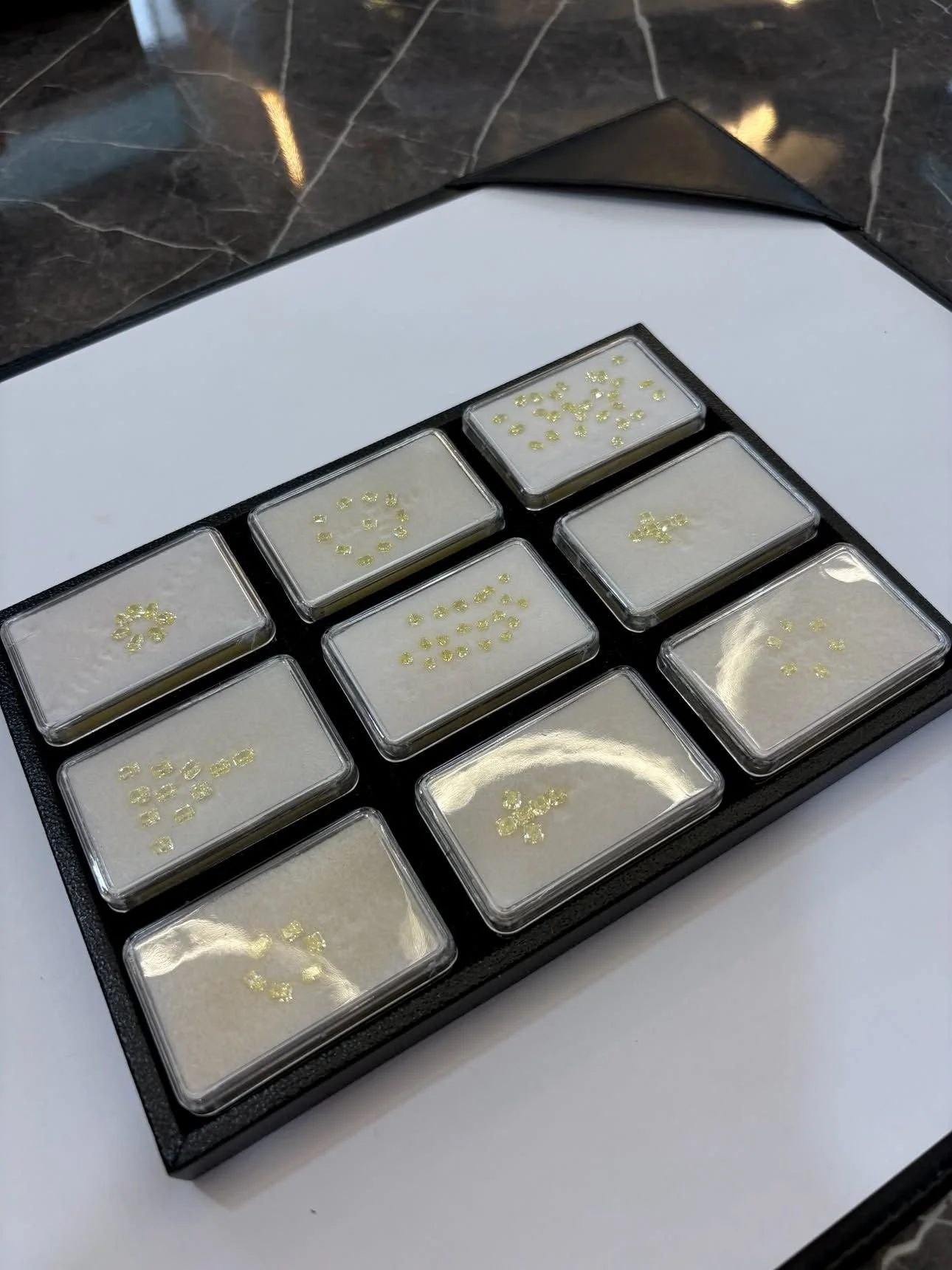
A fancy color diamond becomes scarce through hue and intensity. Mine origin is merley irrelevant, with Argyle pink and red the exception. What decides the stone is the natural color origin statement on the GIA report and the intensity grade beneath it.
The results show why carat weight tells you nothing across the two categories.
A 1.03 carat Fancy Red sold for $2 million in December 2021. A 13.02 carat unheated Burmese ruby, mounted by Carvin French, sold for $2.5 million in June 2021. Twelve carats separate them. The prices do not.
Inside a single category the same holds. A 3.27 carat Fancy Vivid Blue, Internally Flawless, sold for HKD 41.5 million in April 2022. A 3.27 carat Fancy Vivid Orangy Pink, VVS1, sold for $921,000 in December 2025. Identical weight. Identical intensity grade. Different hue. Close to six times the result.
Colored gemstones carry two risks a diamond does not. Origin is a laboratory opinion, and laboratories disagree. Treatment status can be revised as detection improves. That risk is real and it is priced in, which is why the colored stone market rewards documentation more heavily than the diamond market does.
For a colored gemstone: an origin report from a named laboratory, SSEF, Gübelin, GRS or AGL, treatment status stated explicitly, color in the top range for that variety, and size above the point where the variety becomes genuinely scarce. Those four conditions define the acquisition.
For a fancy color diamond: GIA certification, natural color origin confirmed, Vivid intensity or the rarest hue available in that color, and clarity appropriate to the intensity. Four conditions again, measured on a different instrument.
Neither category is inherently rarer. The comparison only means something once each stone has been measured against its own market.
That is the standard. It has not changed and will not.
Private inquiries regarding colored gemstone and fancy color diamond acquisition are handled personally by Claudia. Contact via WhatsApp or the SLIMMS website.