Beyond the Public Market: How Private Diamond & Gemstone Acquisition Works
The market you don't see..
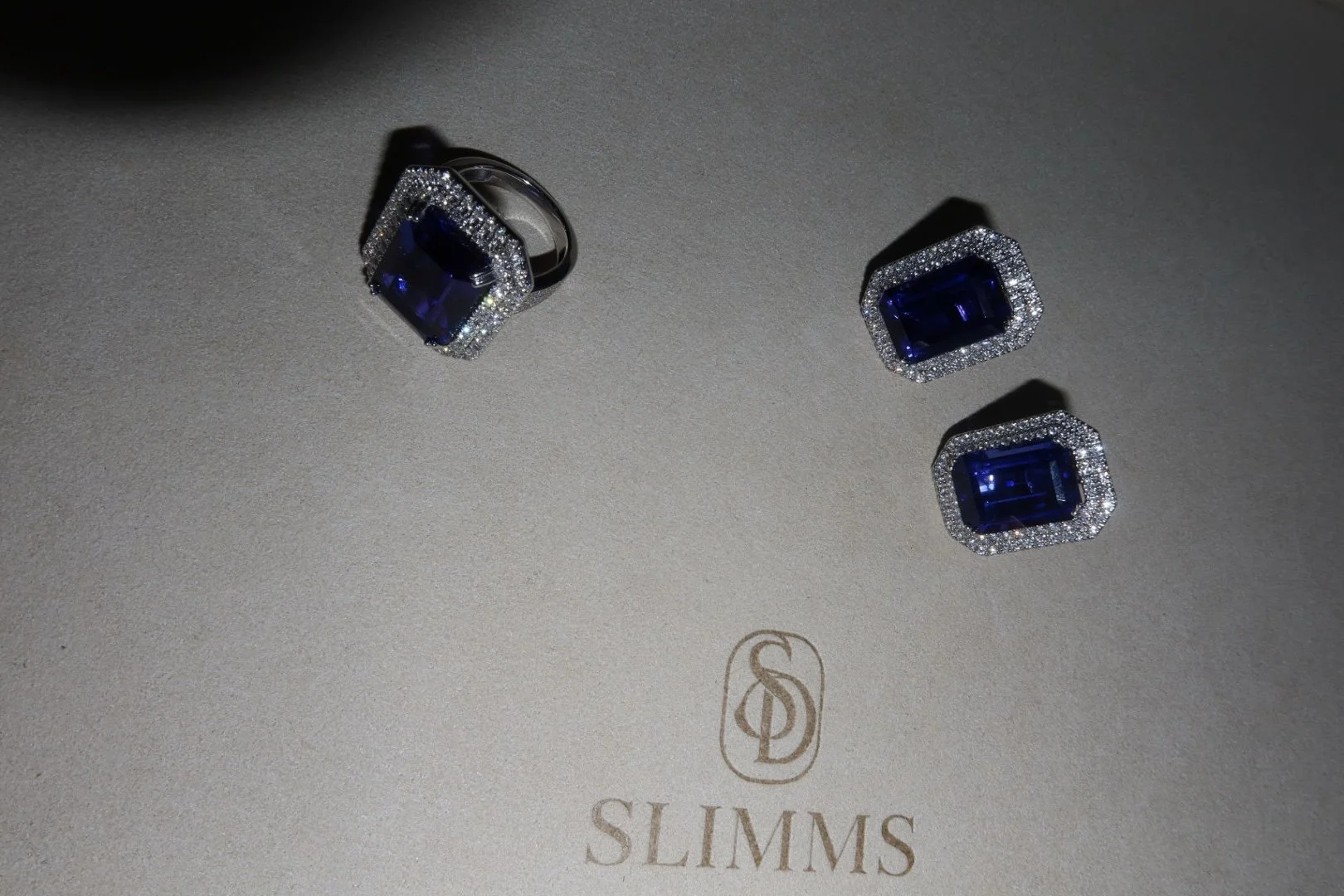
The finest gemstones are rarely found by searching a website. They move through a private international network of dealers, cutters, brokers, estates, collectors and specialist trading houses, often changing hands before they ever reach the public market. For a collector, this changes the way an important gemstone should be acquired. You are not simply looking for a beautiful stone. You are looking for the right stone, from the right source, with the right documentation, at the right price, with a clear understanding of what you are actually buying. This is the part of the gemstone market most people never see.
The public market is only one layer of the trade When a rare gemstone or exceptional diamond appears publicly, it has usually already passed through several hands, as the following;
A miner or rough dealer.
A cutting house.
A broker.
A specialist dealer.
A jeweler.
Or perhaps an auction house.
Each layer add’s a margin, but more importantly, each layer can reduce visibility into the stone's history and vital intrinsic details. The private market operates differently, let me open the curtain... Established buyers can access stones through dealer relationships, cutting centers, estate holdings and secondary markets before they are publicly marketed. That does not mean every privately offered stone is exceptional. It means the best opportunities are not necessarily advertised. At SLIMMS, private sourcing is built around this principle: the client gives us a brief, and we search our highly curated international network for stones that genuinely meet it.
It begins with a brief
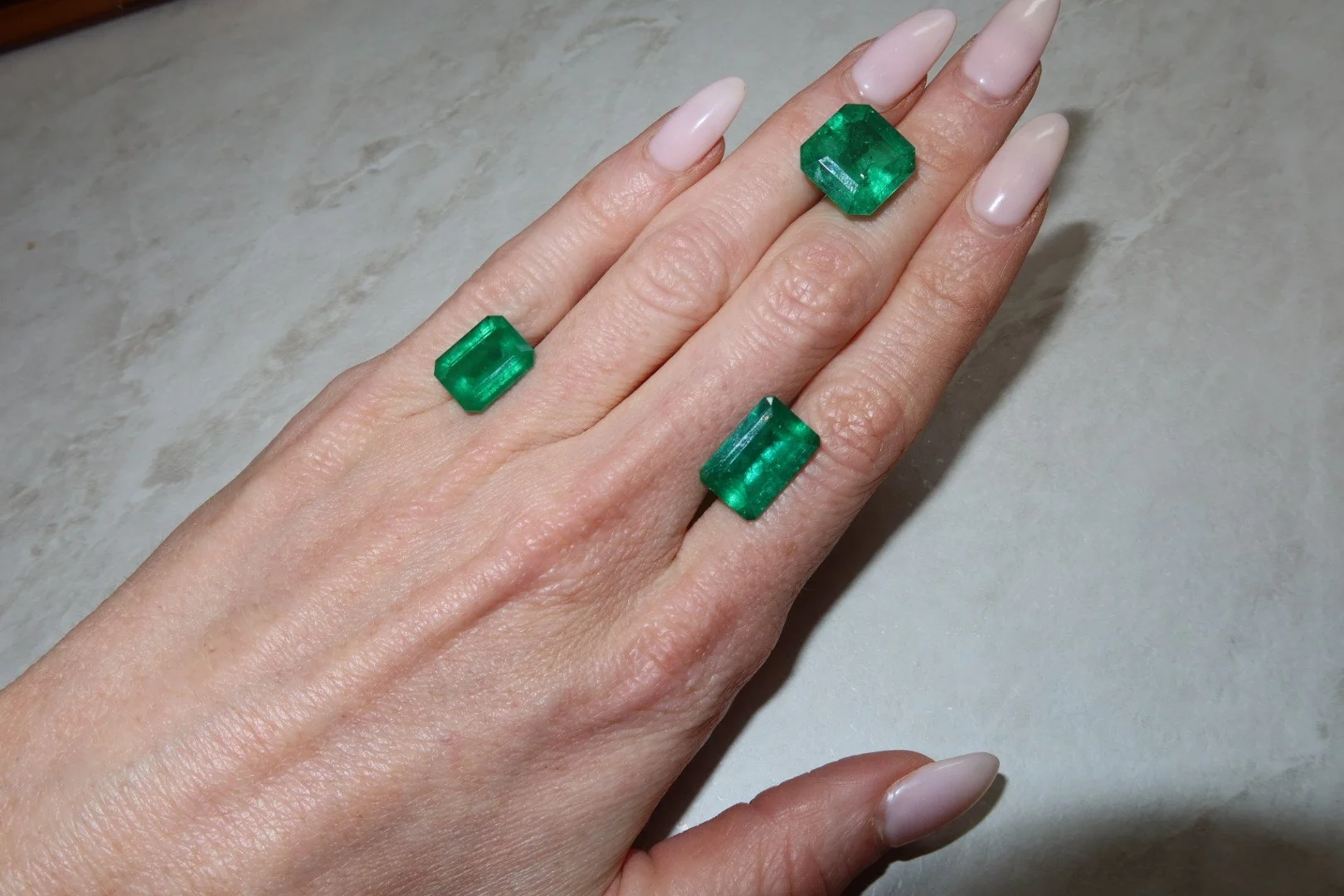
The first conversation is not: “What ruby do you have?” It is: What are we trying to acquire? A serious acquisition brief might specify: gemstone or diamond, loose diamond of finished jewelry, desired carat range, color characteristics, clarity, shape or cut, origin, treatment status, certification requirements, budget, intended use, collection or investment objectives Sometimes the brief is highly specific. A 3–4 carat unheated Burmese ruby with exceptional red saturation. Other times it begins much more broadly. I want one important colored gemstone for my collection. Show me something genuinely rare. The role of Claudia is to translate that intention into something the market can actually search for.
Then the search begins
This is where relationships become important. The most interesting stones may sit with a dealer in Bangkok, a cutting house in Jaipur, an established supplier in Dubai, an estate in Europe or within a private dealer network that never appears on a public website. SLIMMS works across international sourcing networks to identify stones according to the client's brief. The objective isn't to produce twenty options. It is to filter the market before the client sees it. The client is heavily informed along the way, truly an experience like no other.
The shortlist is deliberately small
Once suitable stones are identified, they are evaluated against the original brief. Color. Proportions. Clarity. Treatment. Origin. Provenance. Certification. Condition. Price. Market context. We showcase a shortlist rather than an overwhelming catalogue. Because with important gemstones and colored, more choice does not necessarily mean a better decision. Better selection does.
The stone has to survive due diligence
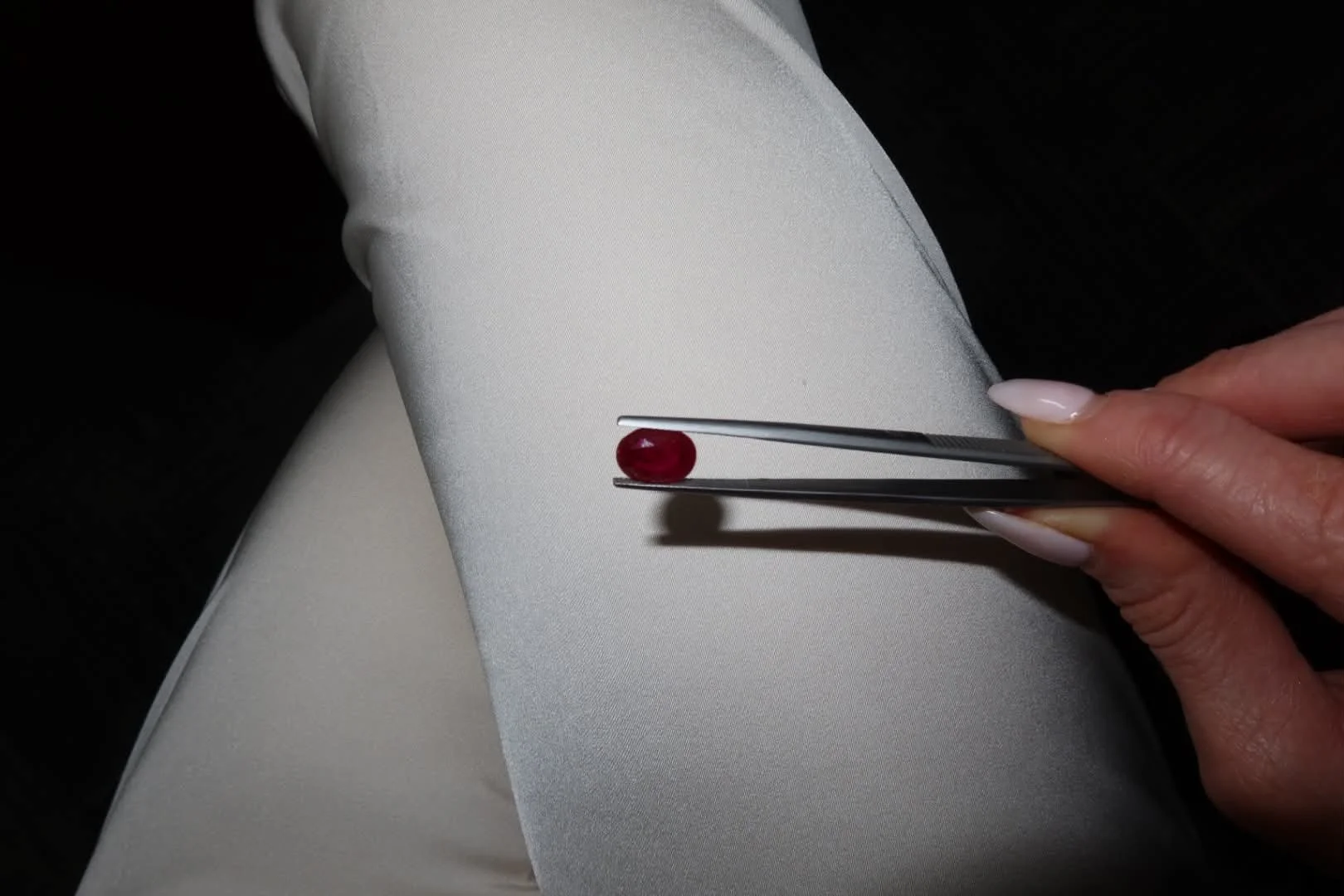
This is where private acquisition becomes very different from buying a beautiful piece of jewelry. An exceptional stone needs documentation that supports what is being represented. For significant gemstones, this can include independent laboratory certification, treatment disclosure, origin opinions where available, provenance documentation and specialist assessments. SLIMMS requires independent laboratory certification appropriate to the stone, with additional reports or assessments arranged for significant acquisitions where appropriate. This matters because terms such as “unheated,” “Burmese,” “pigeon's blood,” “investment grade” and “rare” carry commercial weight. This is supported by evidence.
Price is only one part of the acquisition
A sophisticated acquisition is not necessarily about finding the cheapest stone. It is about understanding why one stone is priced differently from another. Two rubies can have the same carat weight and completely different values. Two sapphires can share the same color description while having dramatically different desirability. Two emeralds can look similar in photographs but differ substantially in treatment, origin, clarity and market standing. The question is therefore not: “What does a gemstone like this cost?” It is: “What makes this particular gemstone worth this price?” That is a much more useful question.
Provenance becomes increasingly important as value rises
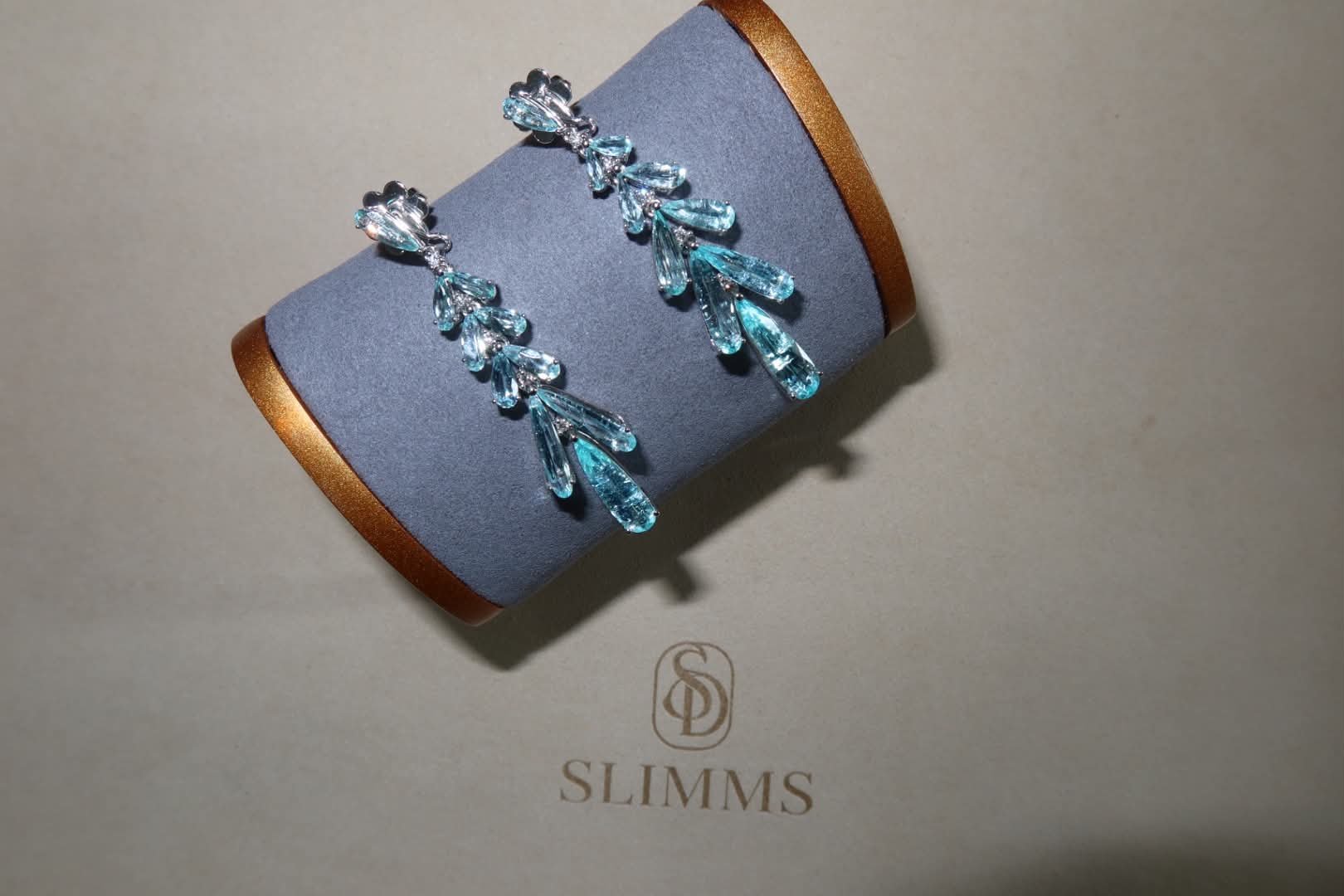
For exceptional stones, the story surrounding the gemstone can become part of its value.
Where was it sourced?
What is known about its origin? Has it been treated?
Who has owned it?
Has it been independently certified?
Does the documentation support the claims being made?
For some gemstones, historical provenance can be particularly meaningful. For others, the most important documentation may simply be a strong laboratory report and clear chain of custody. There is no single formula. The documentation should reflect the stone.
The acquisition doesn't end when the stone is purchased
For an important gemstone, secure delivery is part of the acquisition. SLIMMS coordinates insured transportation and can arrange secure storage solutions where required. For clients purchasing a loose stone for future jewelry, the process can continue into bespoke design. For collectors, the stone may remain loose and form part of a private collection. For investors, documentation and secure custody become particularly important. The gemstone is not simply delivered. The acquisition is completed.
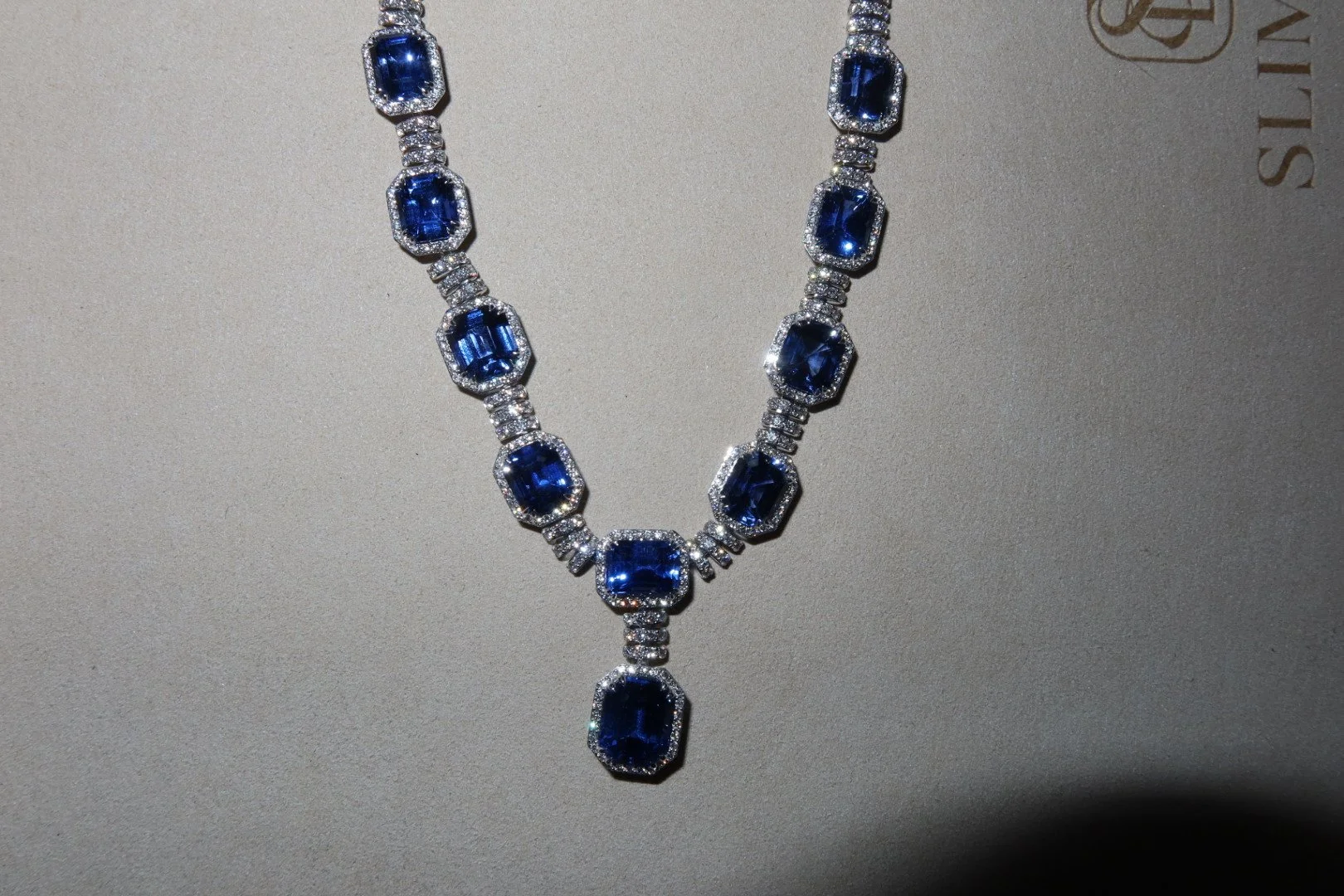
What most people never know
The public often sees the final object: A remarkable ruby, a Colombian emerald or pink diamond, a rare sapphire, a spectacular fancy cut blue diamond. What they don't see is everything that happened before it reached them.
The conversations.
The relationships.
The rejected stones.
The laboratory reports.
The negotiation.
The provenance.
The logistics.
And often, the months spent waiting for the right stone rather than settling for the available one. That is the difference between buying a gemstone and acquiring one.
Private acquisition is ultimately about judgment and connections
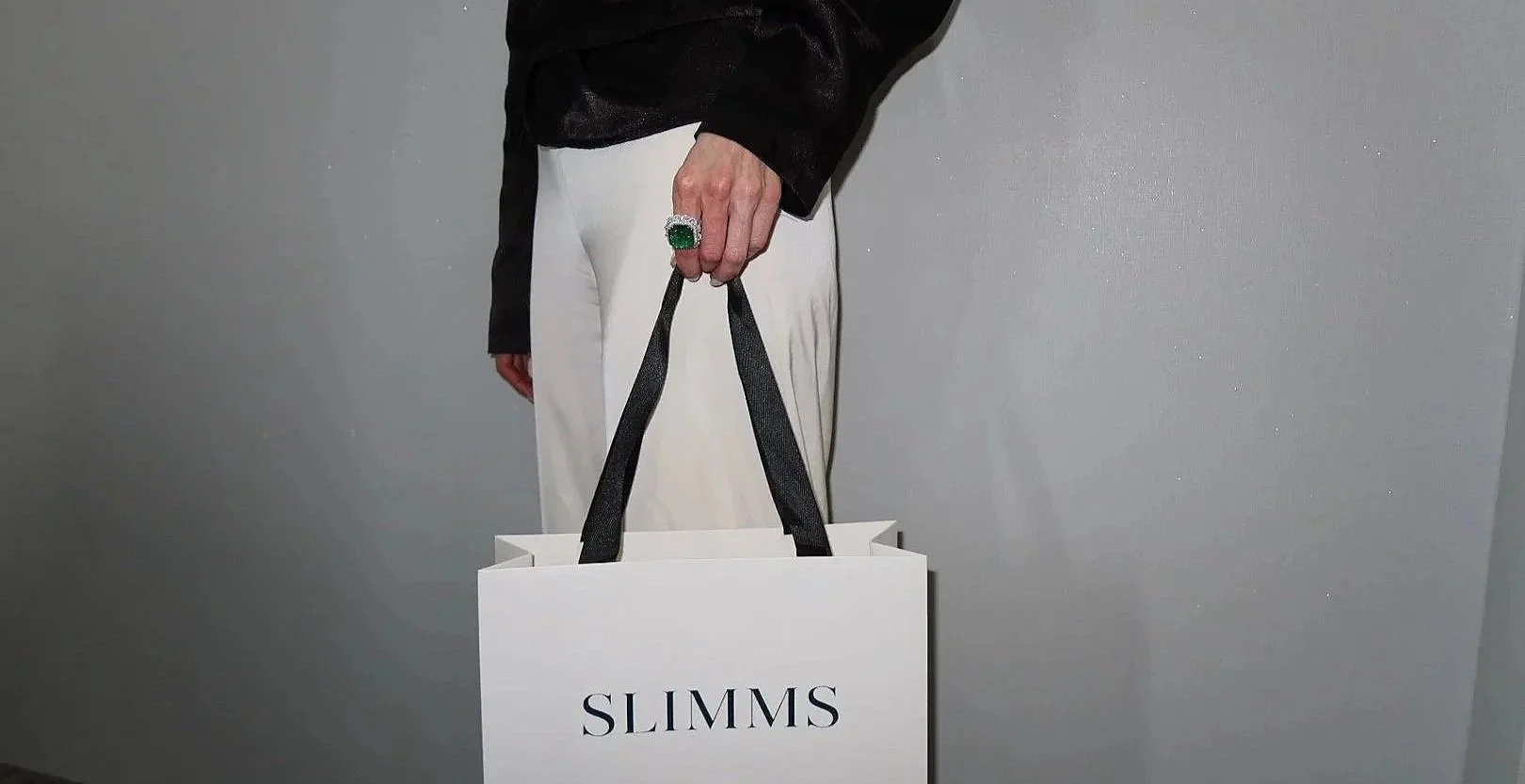
Access alone is not enough, anyone can have access to gemstones. The value of a private acquisition relationship lies in knowing what deserves your attention and portfolio. At SLIMMS, each acquisition is tailored to every client and considered through rarity, provenance, quality, certification, treatment, condition and market context. For clients approaching a purchase from an investment perspective, guidance is provided around these factors without promising appreciation or returns. The objective is simple: acquistion made simple.
Looking for something specific?
Whether you are searching for an exceptional natural diamond, a rare fancy colored diamond, or a significant colored gemstone, SLIMMS can source privately to your requirements.
Tell us what you are looking for, and we will come back to you with the next steps.
Confidential enquiries are welcome from private clients, collectors, investors and professional referral partners.