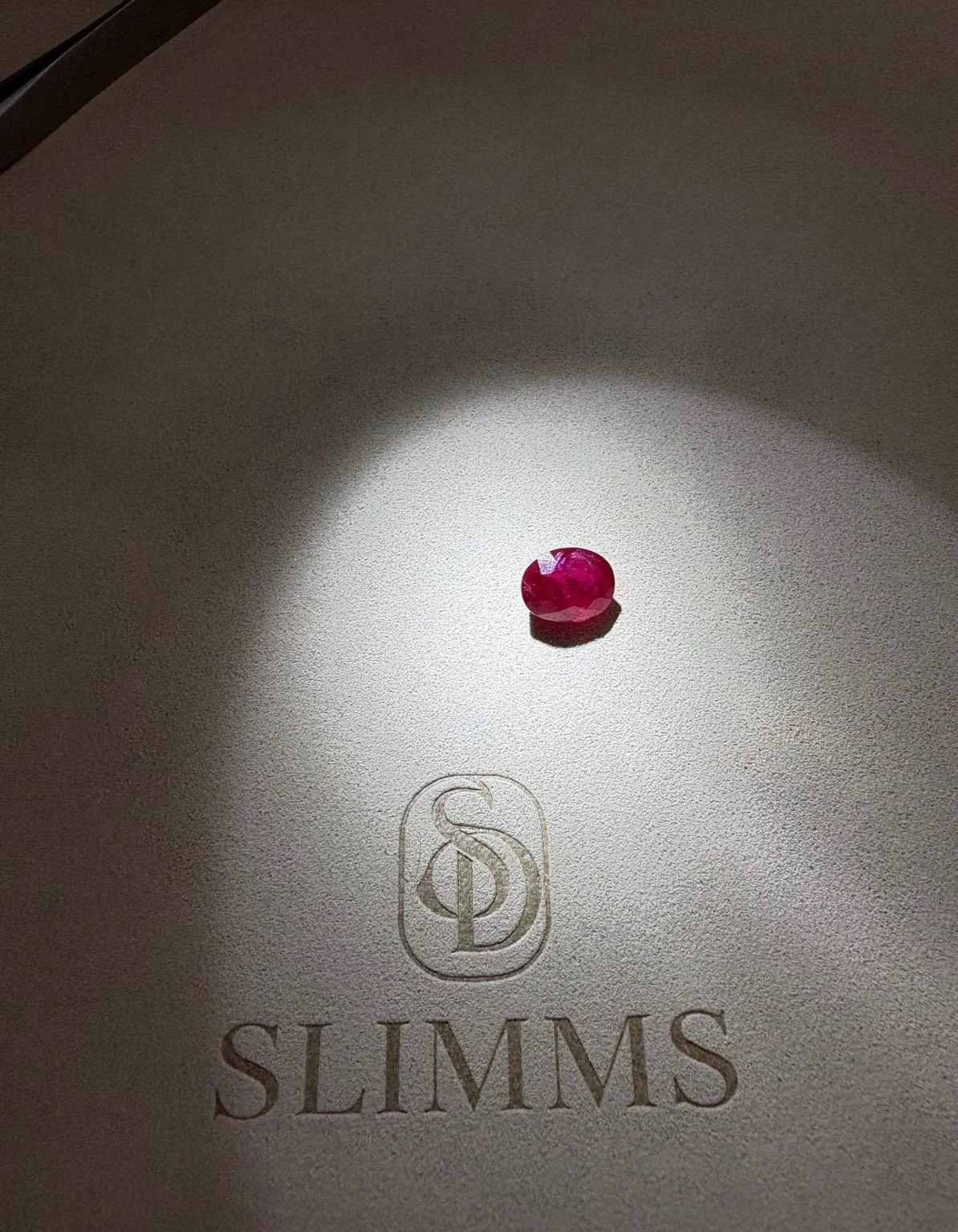
Why Burma Produces the World's Most Valuable Rubies
For centuries, one valley in Myanmar has produced some of the world's most exceptional rubies.
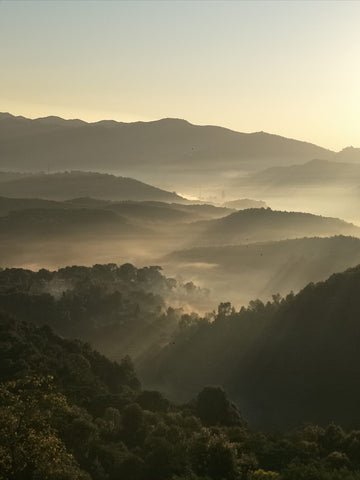
Nestled in the hills of Upper Myanmar, the Mogok Stone Tract is one of the world's most important sources of fine ruby. Its deposits have been worked for centuries, and the name Mogok has become synonymous with the finest Burmese rubies.
All about the geology
The geology is central to Mogok's reputation. Many of the finest Mogok rubies formed in marble, a geological environment that tends to produce exceptionally low iron concentrations. Chromium is responsible for ruby's red color, while low iron allows that color to be accompanied by unusually strong red fluorescence.
Under daylight, the ultraviolet component can activate this fluorescence, intensifying the stone's appearance and contributing to the vivid, almost luminous red associated with exceptional Burmese rubies.
This combination of low iron, chromium-rich chemistry, intense red color and strong fluorescence is one of the defining characteristics of the finest marble-hosted rubies from Mogok.
It is also part of the geological foundation behind the trade's most coveted description: “pigeon's blood.”
The term refers to an exceptionally vivid, saturated red rather than to fluorescence itself. While the expression has no single universally accepted scientific definition, it has long been associated with the finest Burmese rubies.
Origin changes the price, not the beauty.
A Mogok ruby and an exceptional Mozambican ruby can sit side by side and appear remarkably similar to the eye. But origin can materially influence value.
A Burmese origin determination from a respected laboratory such as GRS, Gübelin or SSEF can command a significant premium when combined with exceptional color, size, clarity and treatment status. That premium reflects more than appearance: it encompasses the rarity of the deposit, Mogok's geological characteristics, its long trading history and its place in the history of royal and fine-jewelry collecting.
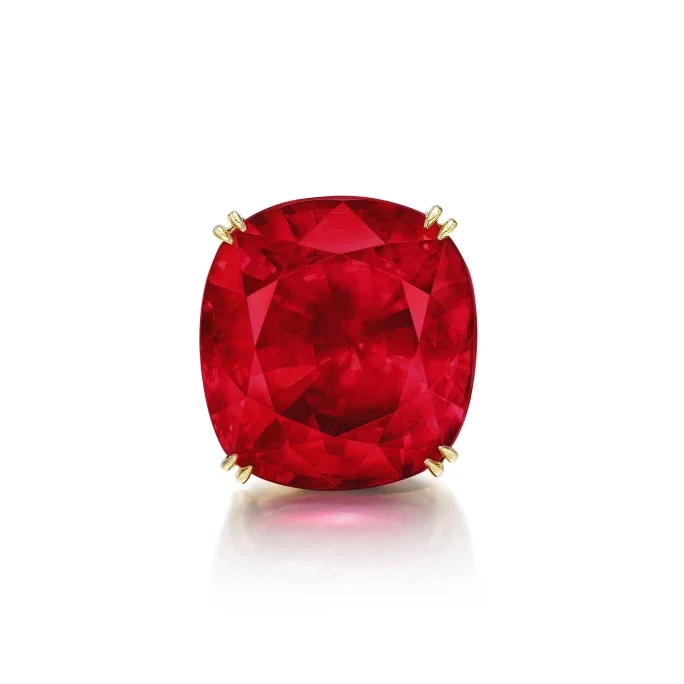
The Sunrise Ruby, a 25.59-carat unheated Burmese ruby, sold at Sotheby's Geneva in 2015 for approximately US$30.3 million. It remains one of the most significant ruby sales in auction history and holds the auction record for a ruby.
A market shaped by restricted access
Mogok's ruby trade has never been a completely open market.
Under the Konbaung dynasty, valuable gemstones from the region were subject to royal control. British colonial rule subsequently changed the structure of the trade, followed by decades of military government and restrictions on foreign access.
International sanctions also materially affected the Burmese gemstone trade. The United States imposed restrictions on Burmese gemstones through legislation including the Burmese Freedom and Democracy Act, with further measures introduced through the Tom Lantos Block Burmese JADE Act of 2008.
These restrictions complicated the movement and provenance of Burmese rubies into major international markets and contributed to a market where established inventories, provenance and trusted trading relationships became particularly important.
For collectors, that history matters, because a documented chain of provenance can add confidence to a stone whose origin and treatment have significant implications for value.
What a collector should actually look for
Origin alone does not make a ruby valuable.
Color comes first. Exceptional ruby is defined by its combination of hue, tone and saturation, with vivid, strongly saturated red among the most desirable characteristics.
Treatment matters enormously. An unheated Mogok ruby with exceptional color can occupy a very different market category from a heated stone, even when the two originated from the same region.
Inclusions tell a story. Fine rutile silk is common in many Burmese rubies and can scatter light through the stone, contributing to the soft, velvety appearance prized in fine examples. Its presence, however, does not by itself prove Burmese origin.
And in a market where provenance can materially affect value, independent laboratory documentation is essential. A respected report from GRS, Gübelin, SSEF or another established gemological laboratory can provide information on origin, treatment and identifying characteristics.
For significant acquisitions, the report should be considered part of the asset.
The Mogok legacy
Mogok continues to produce ruby, although access to the region and the international trade remain highly restricted.
What makes Mogok exceptional is not simply the word “Burma” on a laboratory report. It is the combination of geology, color, fluorescence, rarity, treatment status, provenance and centuries of collecting history.
The finest stones from Mogok remain among the most coveted colored gemstones in the world.
SLIMMS sources natural diamonds and exceptional precious colored gemstones privately, for private collectors.