Colombian emeralds are the ones collectors ask for by name. At their best, they have a color that seems lit from inside: a vivid, saturated green with the faintest breath of blue. Once you’ve seen one, you know.
But that reputation is exactly why you need judgment when acquiring one. Here’s how I’d approach it.
What I’d look for
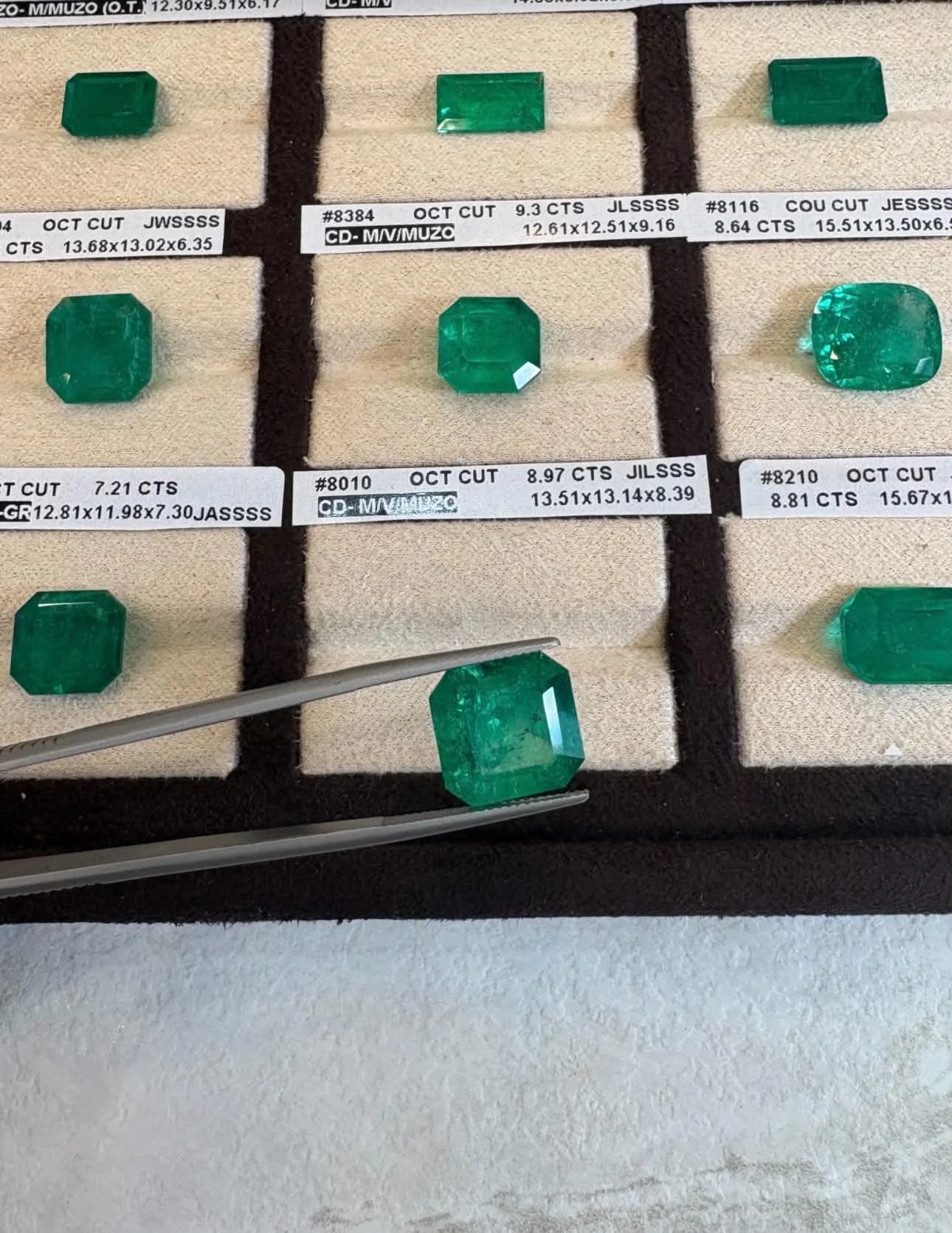
Origin comes first because the geographical source tells us a lot about how a gemstone formed. My go-to origins include Muzo and Chivor, but I wouldn’t take a seller’s word for it. I’d want origin assessed by a respected lab such as Gübelin, SSEF, or GRS early in the acquisition process and this is a non-negotiable.
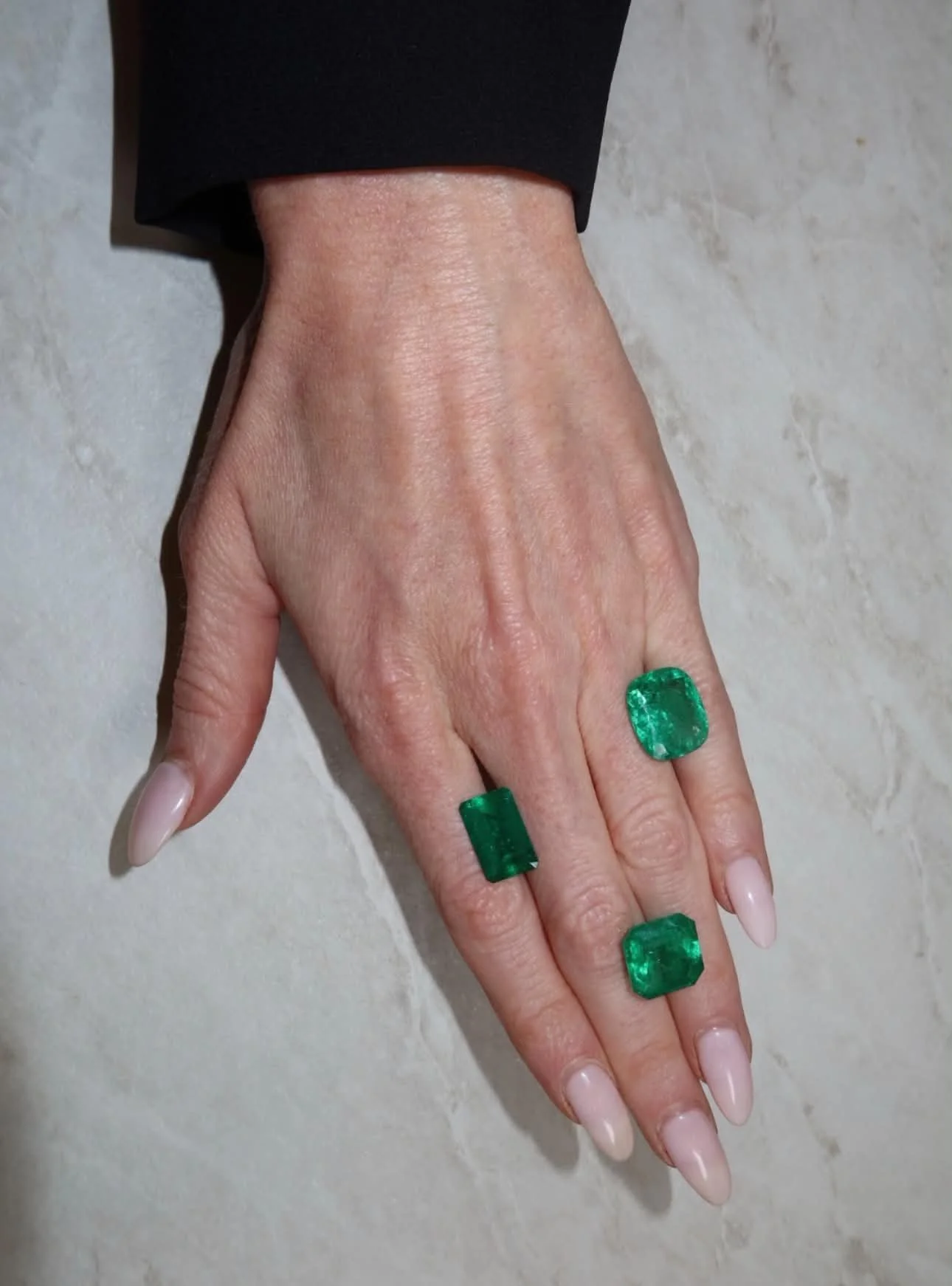
Then color. Even, saturated, never so dark it goes inky, never so pale it looks washed out. The stone should legitimately glow. There’s something about that radiance that feels almost magnetic, I must admit.
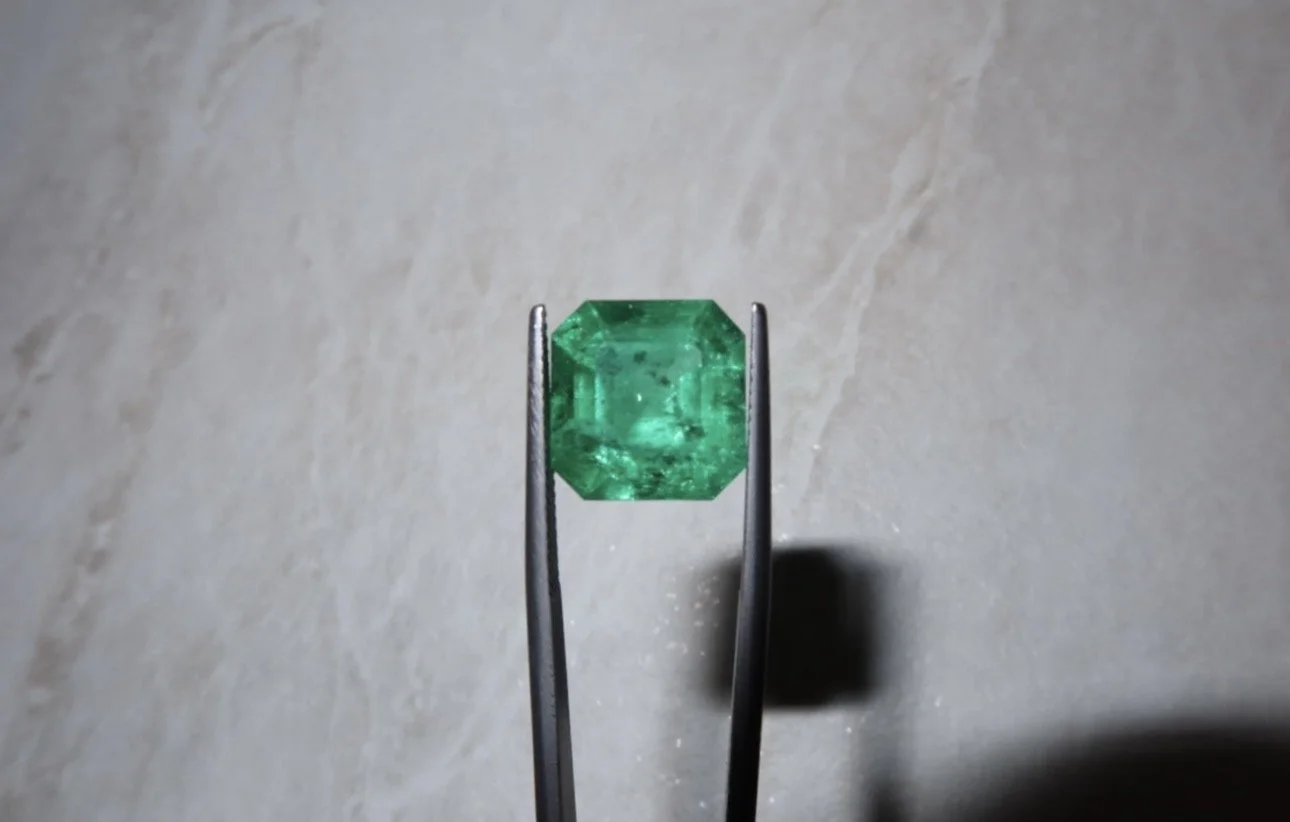
And character. Emeralds have inclusions, and the trade calls them the jardin, the garden. Personally, I don’t want a stone without one. I want one where the garden reads as life rather than damage, and where the stone still has beautiful transparency to the naked eye. I love the jardin it is like being encapsulated by artwork.
What I’d avoid
Many emeralds are oiled to improve their apparent clarity, and that’s accepted in the trade. What matters is how much. I’d want the level of enhancement independently assessed and disclosed, because once a stone sits toward the heavier end, its beauty starts to depend more on the treatment than the stone itself.
I’d also avoid paying for size alone. A big emerald with tired color or heavy filling is just a big emerald.
What I’d choose
A smaller stone with exceptional color, good transparency, and minor or no clarity enhancement over a larger one that’s been heavily filled.
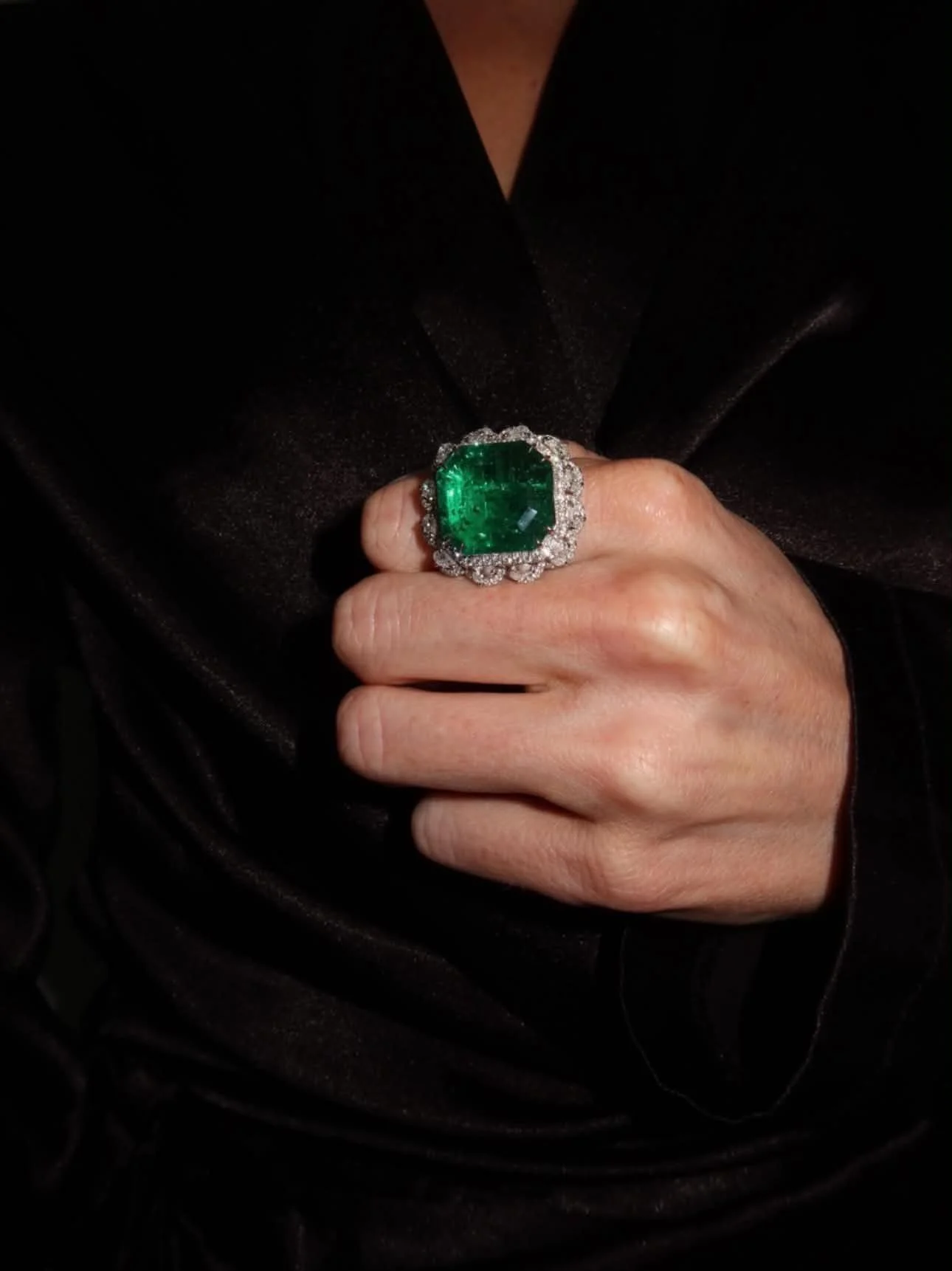
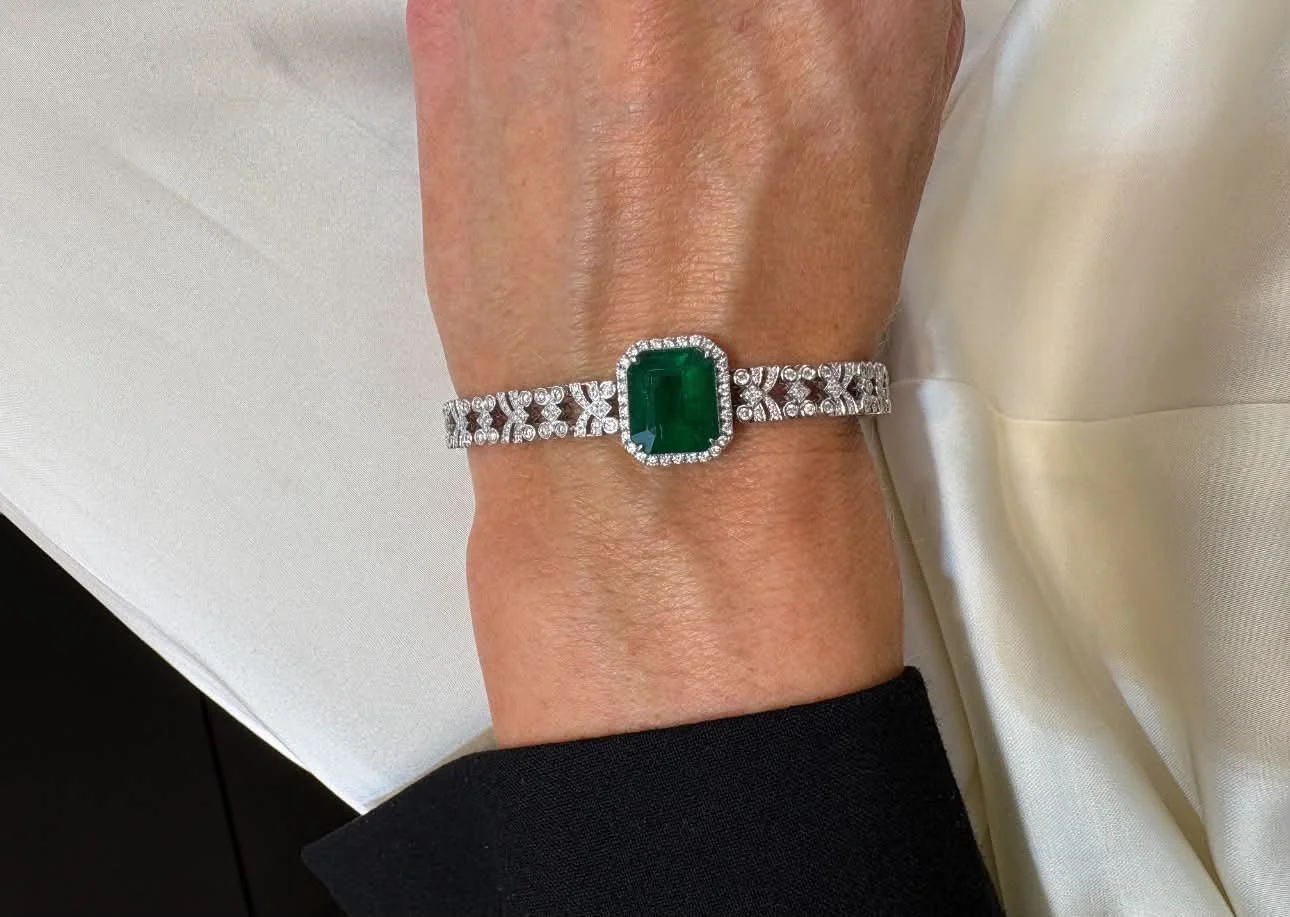
Different (gem)stones excude beauty through different cut’s. For the cut of an emerald, I’d look at a beautiful emerald cut or octagonal which are both step cut. The step cut will work in your favor and bring out the color and let the stone do what it does best.
Why
For me, rarity in an emerald comes down to the combination of exceptional color, transparency, size, desirable origin, and limited treatment, supported by reputable laboratory documentation.
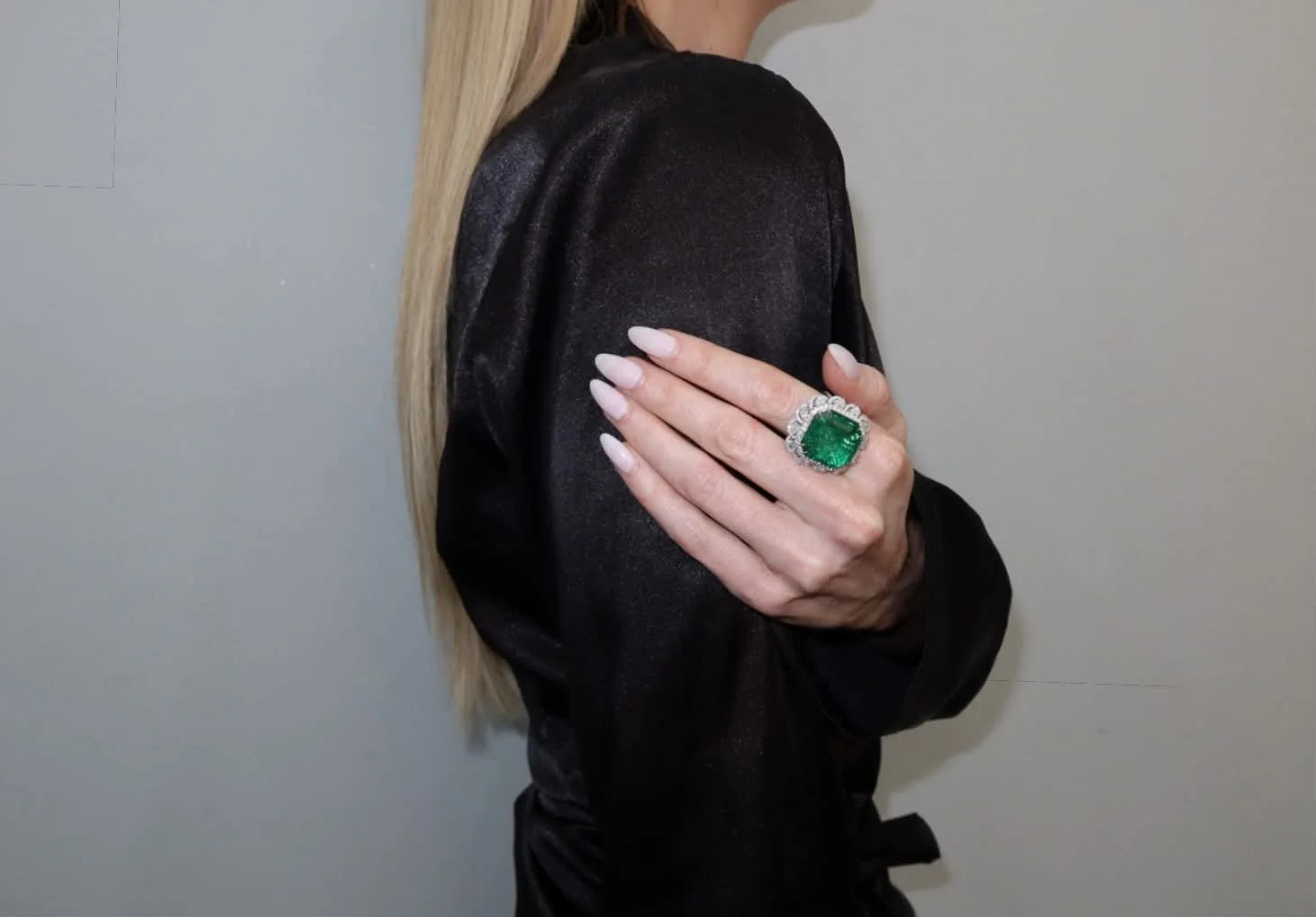
It’s not about finding the biggest stone or the one with the most impressive story. It’s about finding one where those qualities come together in a way that’s genuinely difficult to replace.
And if you’re acquiring with investment in mind, I’d want the price to make sense, too. Rarity alone doesn’t guarantee future value. The quality of the individual stone, demand from collectors, and what comparable stones are actually selling for all matter.
That’s what makes an emerald worth acquiring.