There is something rather special about finding a gemstone before it becomes a piece of jewelry. For me, it is the hunt that drives my adrenaline, the thrill of searching for something exceptional, and the satisfaction of knowing I have found a stone that stands out from the rest. I have always been drawn to the idea of finding the best, whether that comes down to its color, rarity, character, or simply the way it makes me feel when I see it.
I love beginning with the stone itself because, before there is a setting, a design, or even a clear idea of what it might become, there is simply the gemstone. I often find that the stone dictates the design, rather than the other way around, because its color, shape, proportions, and personality can naturally lead you toward what it should eventually become.
A loose emerald, sapphire, or ruby gives you the freedom to explore those possibilities, whether it becomes the centerpiece of a bespoke ring, something you eventually pass down, or a beautiful addition to a collection in its own right.
Knowing which stone to choose is another matter, but I promise the process does not need to feel as overwhelming as it might initially seem. Two gemstones can look remarkably similar in a photograph while having entirely different qualities, treatments, origins, and prices, and when you are navigating a market filled with technical terminology, laboratory reports, and an extraordinary range of stones, it is easy to become distracted by the details without knowing which ones actually matter.
My approach is to begin with what draws me to the stone, because, if we are being honest, vanity plays a part in this process, and I think that is perfectly fine. We all have different tastes and preferences, and what one person considers exceptional may be entirely different from what catches someone else’s eye. From there, I look a little closer at what sits beneath the surface so that the beauty of the stone is supported by an understanding of what I am actually acquiring.
These are the things I would consider before acquiring a natural gemstone.
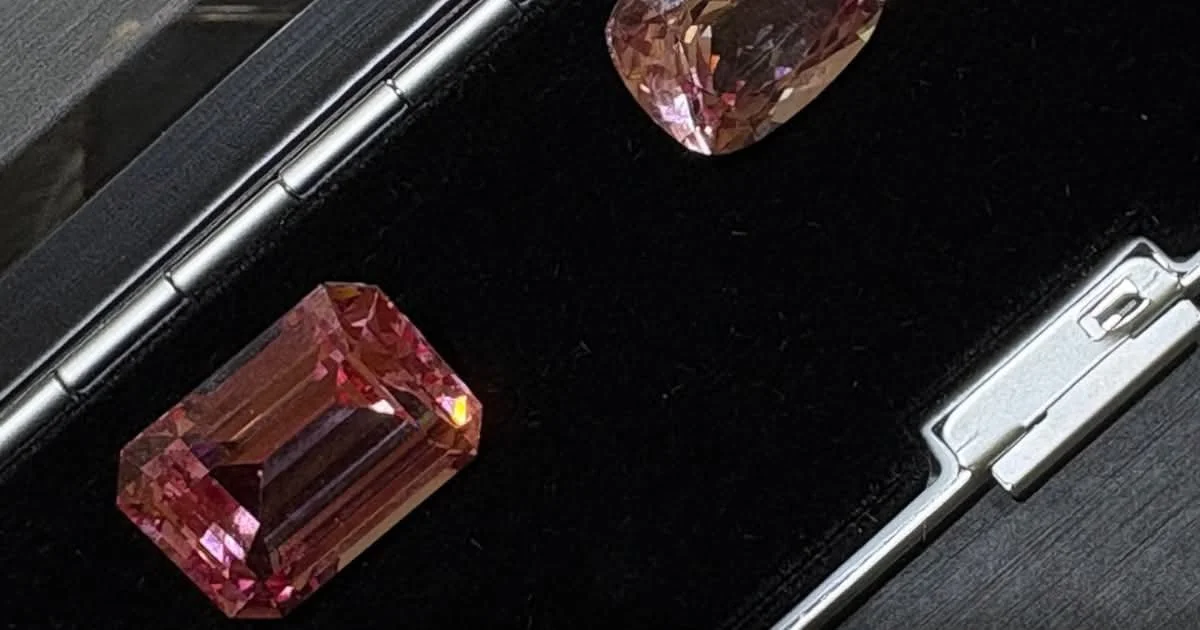
01. I Would Start With the Color
When it comes to colored gemstones, color is one of the most personal parts of the decision, and it is often the first thing that draws me toward a particular stone.
Take emeralds, for example. I am particularly drawn to a vivid, saturated green with a subtle blue undertone, whereas someone else might prefer a softer, lighter green. Neither preference is inherently better, because the interesting part is understanding what you are looking at and whether the individual stone has the appearance you are drawn to.
Color is influenced by hue, tone, and saturation, while the cut can affect how that color presents itself and how much light the stone returns. This is why I would never choose a colored gemstone on carat weight alone, because a larger stone is not automatically a more beautiful one, which is something I think society needs to let go of, and a higher carat weight certainly does not guarantee a stronger visual presence.
Sometimes, it is the stone with the most compelling color and proportions that stays with you long after you have looked at everything else, even if it is not the largest or the most expensive option.
One of my non-negotiables is seeing how the gemstone performs under different lighting conditions, because photographs and videos are incredibly useful when sourcing remotely, but they do not always reproduce a stone’s true color or character. I want to understand how the color behaves in natural light and, where appropriate, under ultraviolet light, which can reveal fluorescence and provide additional information about the stone, although it does not replace a proper assessment of its color or quality.
Ultimately, I think the question is less about how large a gemstone is and more about how it makes you feel when you see it, provided you also understand the qualities that sit behind its appearance.
02. A Certificate Is Important, but It Does Not Tell You Everything
I would never overlook documentation when considering a significant gemstone acquisition, but equally, I would not let a certificate make the decision for me because a laboratory report and the gemstone itself serve different purposes.
A gemological report can provide important information about a stone’s identity and, depending on the laboratory and the type of report, its detected treatments or an opinion on geographic origin. What it does not necessarily tell you is whether the gemstone is beautiful, whether it suits your intended design, or whether the asking price represents good value.
Colored gemstones are particularly interesting in this respect because their desirability can depend on a combination of color, transparency, inclusions, cutting, treatment, and, where reliably established, origin. The laboratory matters, as does the scope of the report and the exact wording of its conclusions, which is why I would want to understand the documentation alongside the gemstone itself rather than treating the report as a substitute for evaluating the stone.
For me, the goal is to understand exactly what is being offered, what has been established, and whether the documentation is appropriate for the acquisition. I also bring up documentation at the very beginning of the sourcing conversation, because I expect transparency from my source and believe that understanding what you are buying should be part of the process from the outset, rather than something you have to chase after you have already fallen in love with a stone.
03. I Would Ask About Treatments Before Falling in Love With the Stone
This is one of the details I like to put on the table from the beginning, because I would rather understand exactly what I am looking at before becoming emotionally invested in a particular gemstone.
Many natural gemstones undergo treatments to improve their appearance, and sapphires and rubies, for example, are often heat-treated, while emeralds may be treated with oils or resins to improve their apparent clarity. Treatments are not automatically a reason to dismiss a gemstone, because their significance depends on the type of treatment, the individual stone, its stability, the disclosure provided, and how the market values that material.
What matters to me is knowing what I am acquiring, particularly because two emeralds might look remarkably similar but differ in the degree or type of clarity enhancement, and those differences can influence their desirability, care requirements, and price.
I think this is where it pays to ask questions before becoming too attached to a particular stone, whether you are acquiring something for a collection or simply want to feel confident about your purchase. I would want clear disclosure of known treatments, appropriate laboratory documentation where warranted, and an explanation of what those findings mean for that particular gemstone.
There is no need to make the process unnecessarily complicated, but I do believe you should be able to enjoy the beauty of a stone while also understanding what you are buying.
04. Provenance Is Interesting, but It Is Not the Whole Story
Certain gemstone origins carry a particular reputation among collectors, with Colombian emeralds, Burmese rubies, and Kashmir sapphires being familiar examples of localities associated with highly sought-after material.
Part of the appeal comes from the qualities historically associated with gemstones from these regions, alongside factors such as rarity, historical production, and collector demand. However, I think it is important to distinguish between a gemstone being represented as originating from a particular place and that origin being supported by a qualified laboratory opinion, because geographic origin is not always determinable with certainty.
I also would not assume that every gemstone from a celebrated locality is exceptional, just as I would not dismiss a beautiful stone simply because it comes from a less celebrated source. The individual gemstone still needs to be assessed on its own merits, and for me, provenance becomes particularly interesting when it adds meaningful context to an already compelling stone.
Origin can contribute to the story, but it should not replace an assessment of quality, treatment, rarity, and price. I would want to understand what is documented, what is supported by a laboratory opinion, and what remains unverified, particularly when origin is being used to justify a significant premium.

05. I Would Look Beyond Size When Considering Value
This is where I think it pays to slow down, because when you are comparing gemstones online, it can be tempting to begin with carat weight and price, even though those two numbers tell you very little on their own when it comes to colored gemstones.
Value can be influenced by color, clarity, transparency, cut, treatment, condition, rarity, origin where established, and current market demand, with the relative importance of each factor varying according to the gemstone and the individual stone.
Cut deserves particular attention because it influences how a gemstone handles light, how its color presents itself, and how well its proportions work together. A stone can have an impressive carat weight and still lack the visual life you were hoping for, whereas a smaller gemstone with beautiful color and thoughtful proportions may have far more presence.
I would also be careful when comparing prices, because a retailer’s asking price, a dealer’s wholesale price, and the price achieved for a comparable gemstone at auction are not automatically interchangeable, as they reflect different circumstances, costs, terms, and markets.
While I understand the appeal of acquiring something rare, I am cautious about broad claims that a gemstone is underpriced or that its value will inevitably increase, because rarity can contribute to desirability without guaranteeing appreciation or an easy resale.
What interests me is understanding why a particular stone commands its asking price and whether the qualities that make it desirable are genuinely present, because I would rather spend time understanding one exceptional gemstone than compare a dozen stones on carat weight alone.
06. I Would Think About What I Want to Do With It
One of the lovely things about acquiring a loose gemstone is that you can begin with the stone and let the design follow, which is particularly appealing when you find something with a color, shape, or character that you cannot stop thinking about.
Perhaps you have always wanted a particular emerald for a ring, or maybe you are drawn to an unusual sapphire and want to build a piece around its shape, while someone else might prefer to add a distinctive gemstone to a collection without setting it immediately.
Your intended use can influence what you should prioritize, because a ring that will be worn frequently requires consideration of durability, the gemstone’s condition, and the eventual setting, whereas a pendant or a pair of earrings may allow for different shapes, sizes, and proportions. If the stone is intended for a collection, documentation, rarity, condition, and the reasons for its desirability may carry greater weight.
There is not one perfect set of specifications that makes a gemstone right for everyone, and I would also consider the design before acquiring the stone if I already had a particular piece in mind, because its shape, dimensions, and depth can influence what is practical to create.
For me, the point is to find a gemstone that works for the way you intend to wear, collect, or eventually set it, rather than choosing on specifications alone.
07. Sometimes, I Would Find the Stone Before Deciding on the Design
This is where I think loose gemstone sourcing becomes particularly exciting, because rather than choosing a finished piece and accepting the stone that comes with it, you have the opportunity to establish your priorities first and explore what is available.
Perhaps you have a specific shade of green in mind, a particular sapphire shape, a certain budget, or a gemstone you have been thinking about for years, and from there, the process becomes about finding suitable options, assessing their individual merits, and understanding the trade-offs.
Sometimes the stone you imagined is exactly the one you should pursue, while other times, a slightly different color, cut, or proportion produces a far more compelling result. I do not think the aim should be to compromise on the things that matter to you, but rather to understand which qualities deserve to take priority and where there may be room to explore.
This is the thinking behind private gemstone sourcing at SLIMMS, where we begin with the client’s brief and explore suitable stones, considering the qualities, documentation, and details relevant to the acquisition. Once you have found the right stone, you can decide whether to keep it loose, add it to your collection, or work toward a bespoke piece of fine jewelry.
I like the freedom that comes with beginning this way, because the gemstone gets to be the starting point rather than an afterthought, and the final design can develop around what makes the stone special in the first place.
The Right Gemstone Is About More Than the Specifications
A certificate can tell you important things, carat weight gives you a measurement, and treatment and origin information can add valuable context, but none of these details, considered alone, tells you everything you need to know about a gemstone.
For me, a considered acquisition brings together the emotional connection to the stone and a clear understanding of its qualities, documentation, price, and intended purpose, because you should be able to love the gemstone while also understanding what you are buying.
I think that is what makes the process so interesting, because it is not simply about finding something beautiful but about understanding why that particular stone appeals to you, what makes it distinctive, and whether it is the right acquisition for your collection or the piece you have in mind.
If You Have a Particular Gemstone in Mind
Whether you are looking for a Colombian emerald, a remarkable sapphire, a ruby, or a gemstone for a bespoke piece of fine jewelry, you do not need to have every detail figured out before you begin.
At SLIMMS, private sourcing starts with a conversation about what you are looking for, the qualities that matter to you, and your approximate budget, whether you have a very specific stone in mind or simply know the color, shape, or feeling you are drawn to.
For private diamond and gemstone sourcing, contact SLIMMS via WhatsApp to begin your inquiry.
Claudia Hofmeister
SLIMMS Diamonds | Private Diamond & Gemstone Sourcing · Bespoke Fine Jewelry