The one piece I would add to my collection at any age
It has always been the same answer.
The things I value do not stay in one lane. That is not a philosophy I arrived at recently — it is a principle embedded into how I live and how I build. Timeless over trending. Longevity over occasion. Pieces that exist beyond the moment they were purchased.
We are building as collectors, not consumers.
So when someone asks me where to start — what to acquire first, what to anchor a collection around — my answer has never changed.
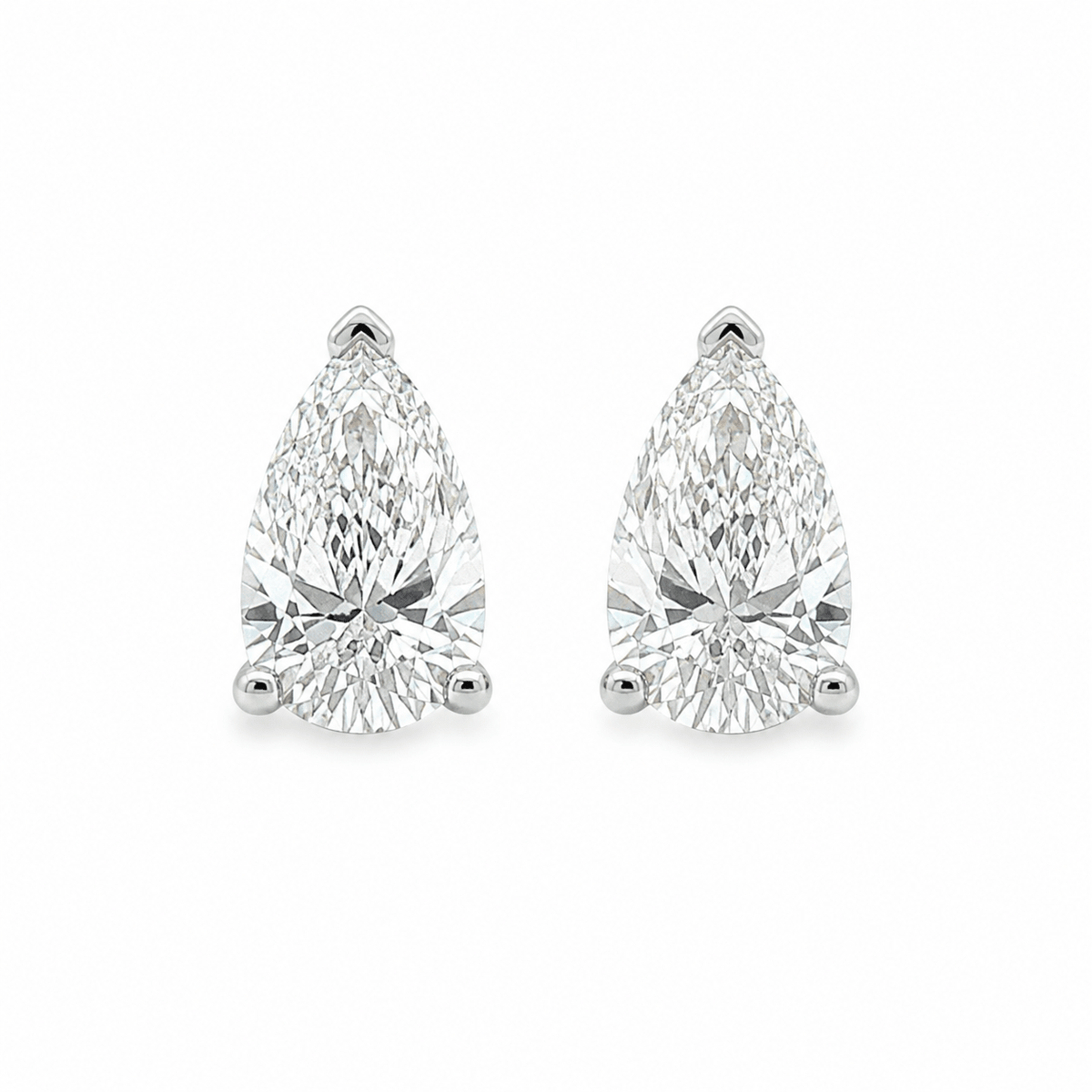
A pair of diamond stud earrings.
The Shape
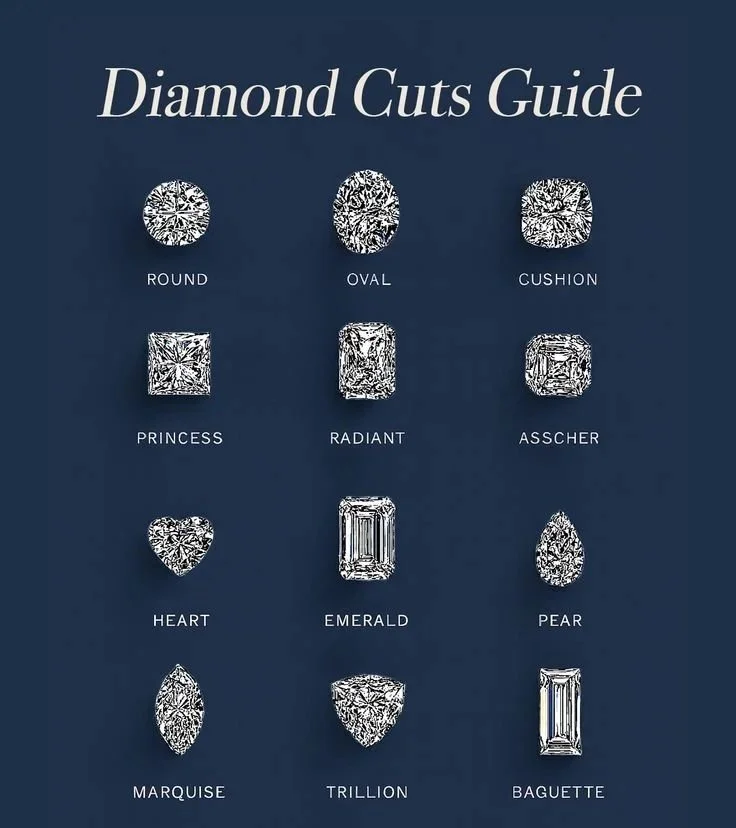
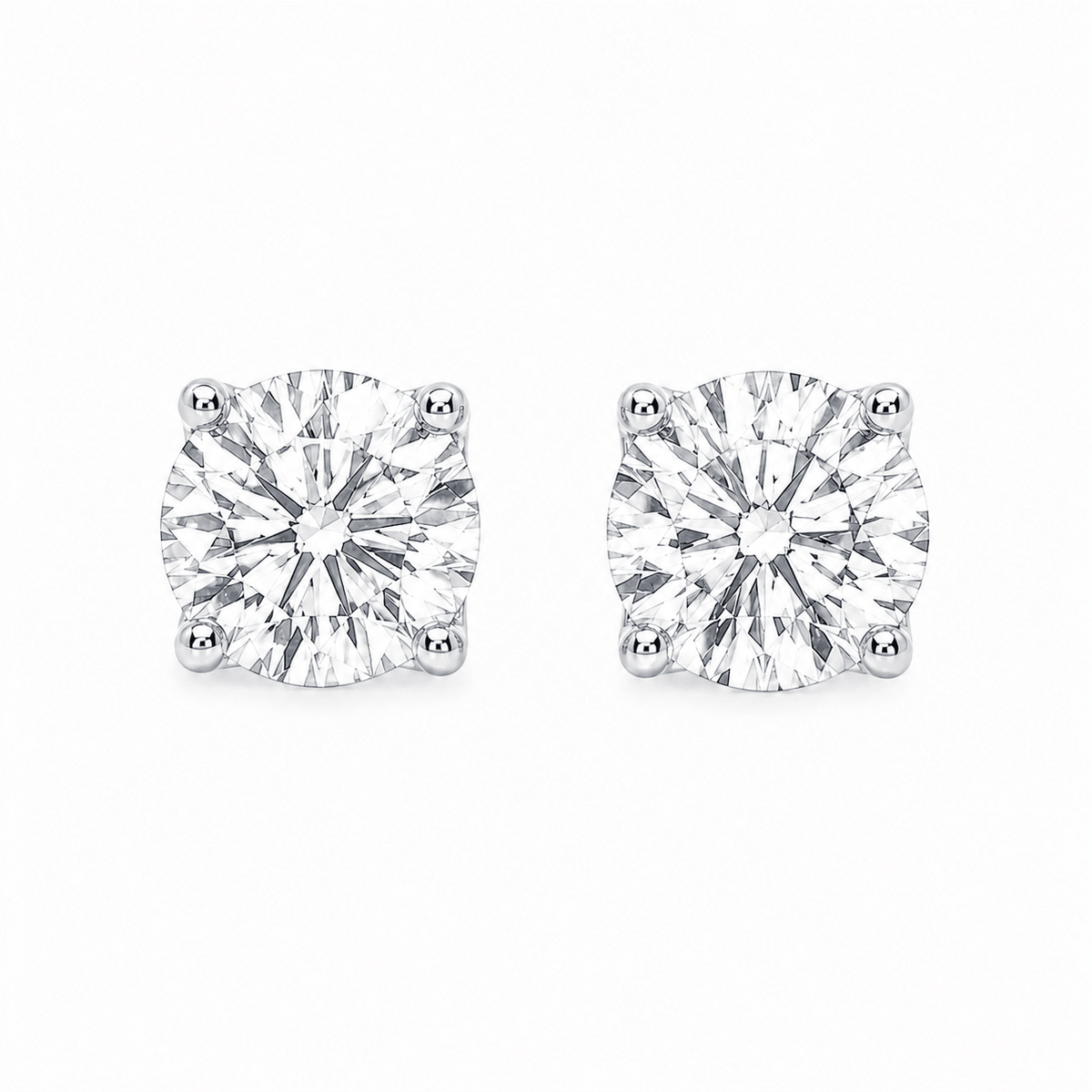
I come back to the round brilliant. Not because it is the obvious choice. Because it is the most considered one. The proportions have been refined over more than a century. Every facet is calculated to return light directly to the eye. No other shape achieves the same light performance at equivalent grade.
That said — this is not about what I would choose. It is about what YOU will wear for the next thirty years without once questioning whether it still works. Use this rule: your first instinct is usually the right one. The shape YOU are drawn to before you start researching is almost always the shape that belongs on your body.
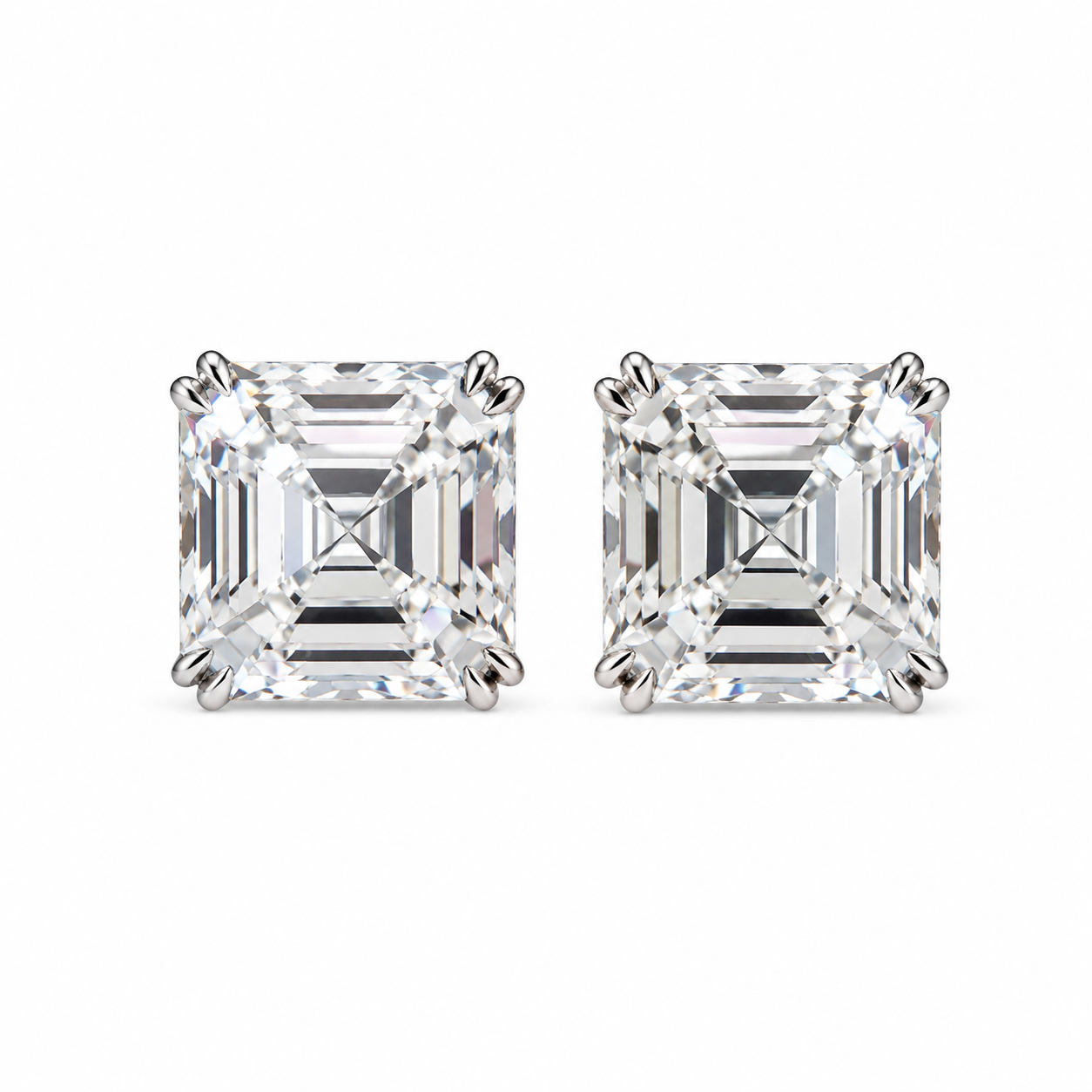
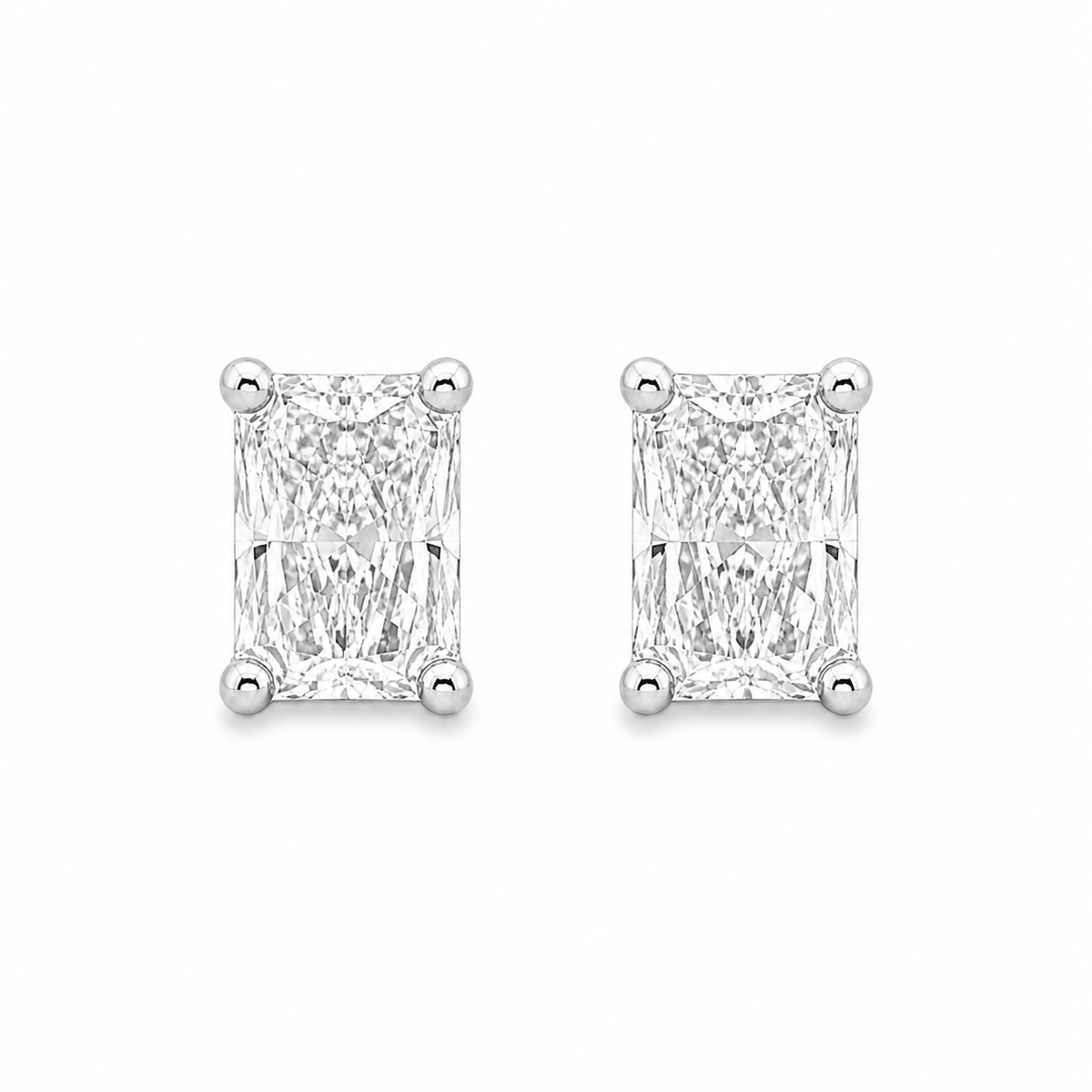
If you are exploring beyond the round brilliant, the shapes worth knowing at collector level are the emerald cut, oval, pear, radiant, and Asscher.
The standard is simple: pieces you will look at in twenty years and feel nothing has dated. That is the only criterion worth applying to something you intend to keep.
The stone
We are only acquiring certified stones. NO exceptions.
Cut first. Always.
Excellent cut, polish, and symmetry. This is the variable that determines whether a stone looks alive or simply sits there. No other grading characteristic compensates for a poorly cut stone. Budget follows cut, not the other way around.
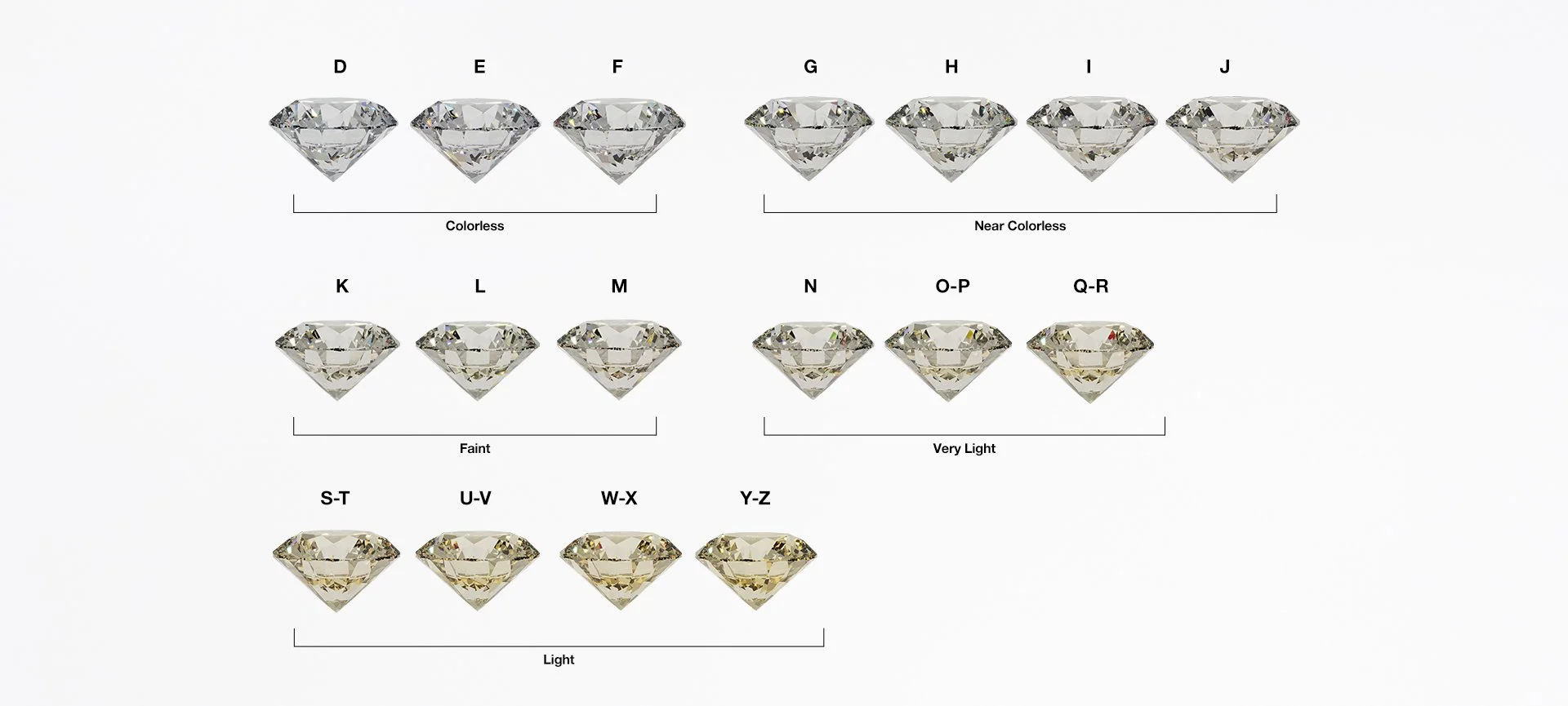
Color: D, E, or F.
Colorless. In any light, against any skin tone, at any age, it gives nothing away. This is the range that holds at resale and reads correctly at auction.
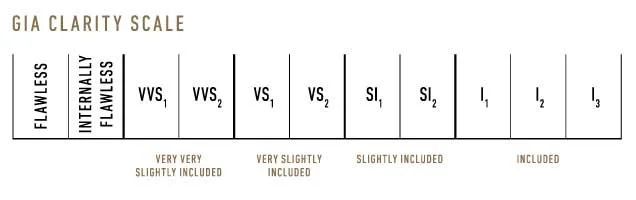
Clarity: VS1 or VS2.
Eye clean and the most intelligent place to put your budget. Let cut and color absorb the investment- clarity follows. For those acquiring at the highest tier, the grading scale runs from Flawless and Internally Flawless through VVS1 and VVS2. SI1 sits at the acceptable border for a stone that will be set in a stud- the size works in its favor.
Size: personal preference, always.
What aligns with you naturally is the right answer. That said — one carat minimum per ear. Below that, the stone is lost. A stud earring exists to be seen.
The setting
Simple, and financially non-negotiable: 18k gold.
Gold is a commodity. It has a spot price, it trades daily, it holds. Setting your fine jewelry in 18k means the metal beneath the stone is an asset in its own right, not a backdrop, not a detail. The setting is part of the investment. Always has been.
18k is the market standard for a reason. It is the grade recognized by every reputable dealer, auction house, and private buyer globally. When it comes time to resell, remold, or repurpose, and with a collection built for generations, that time will come, 18k holds its position. It is accepted everywhere. It loses nothing in translation.
For the setting itself: a sleek prong setting, specifically a claw or tiger prong, allows for maximum stone visibility and light return. The metal should frame the stone, not compete with it.
Private inquiries regarding colored stone acquisition are handled personally by Claudia. Contact via WhatsApp or the SLIMMS website.