Pink Diamonds: Rarity, Argyle’s Closure & What Matters When Acquiring One
An Appetite fo Pink Diamonds
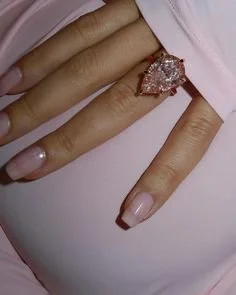
Pink diamonds occupy a peculiar position in the natural diamond market.
Pink diamonds are rare because the geological conditions required to create them are extraordinarily difficult to reproduce, and now the world’s most important commercial source of them no longer exists.
In November 2020, mining ceased at Australia’s Argyle mine in Western Australia. For decades, Argyle was the dominant source of the world’s rare pink, red and violet diamonds. Rio Tinto described the mine as producing virtually the entire world’s supply of rare pink diamonds, and its closure permanently changed the supply equation.
What remains is finite.
And this is where the conversation around pink diamonds becomes more interesting than simply calling them an investment-grade stone.
The Color Is the Rarity
Unlike yellow diamonds, where color is associated primarily with nitrogen, or blue diamonds, where boron is responsible, pink diamonds are different. Their color is associated with deformation within the diamond’s crystal lattice, the result of extraordinary geological forces acting on the stone during its formation.
GIA research found that the color of approximately 99.5% of the pink diamonds studied was associated with this structural distortion rather than a trace-element impurity.
The stronger the color, the smaller the pool becomes.
And then size reduces it again.
Clarity reduces it further.
A significant natural pink diamond with strong color, good clarity and meaningful carat weight is not merely a more expensive version of a smaller pink diamond.
It is a different category of rarity.
Then Argyle Closed
Argyle produced more than 800 million carats of diamonds during its life. Less than 1% of that production was pink. That figure becomes more significant when you consider that only a fraction of those pink diamonds carried the stronger colors sought after by collectors. The mine ceased production on November 3, 2020.
The final Argyle Pink Diamonds Tender followed in 2021, closing one of the most distinctive chapters in the colored diamond market.
This is why provenance matters.
An Argyle pink is not ‘just' a pink diamond that happened to be mined in Australia. It represents a finite geological source with a documented history, a recognized grading language and a market that spent decades establishing its desirability.
Not All Pink Diamonds Are Equal
This is where much of the retail conversation becomes too simplistic.
“Pink diamond” describes a category, It does not describe value.
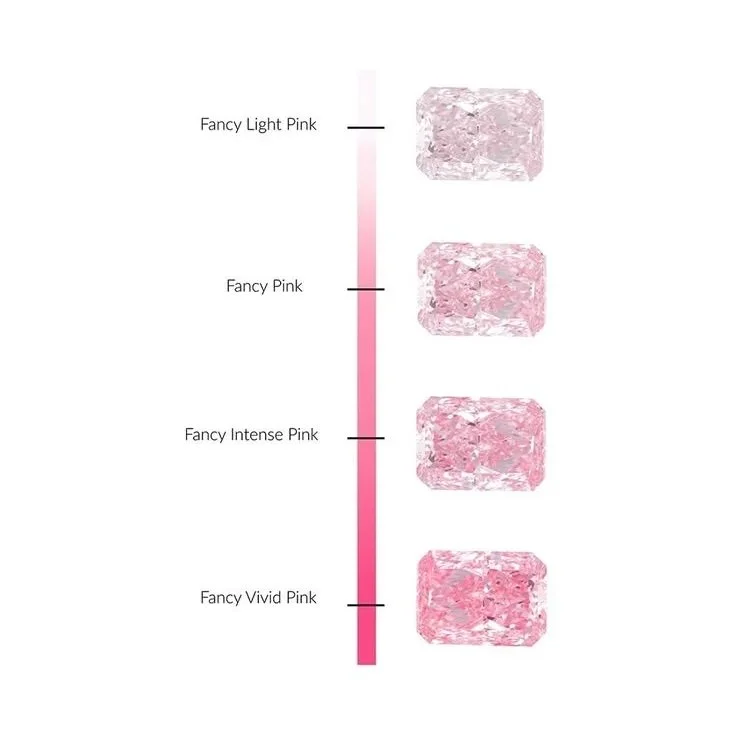
GIA grades colored diamonds according to hue, tone and saturation, with grades ranging from Faint through to Fancy Deep and Fancy Dark. Stronger, more saturated colors command the greatest rarity within the pink category. (secondary hues matter too).
A pink may lean toward purple, orange or brown. Those modifiers are not interchangeable, and they do not carry the same market response.
Then comes size, a 0.40-carat pink and a 1.00-carat pink are not two stones separated by 0.60 carats. The number of stones available at each combination of color, clarity and size changes dramatically as you move upward. This is why exceptional pink diamonds can command extraordinary prices.
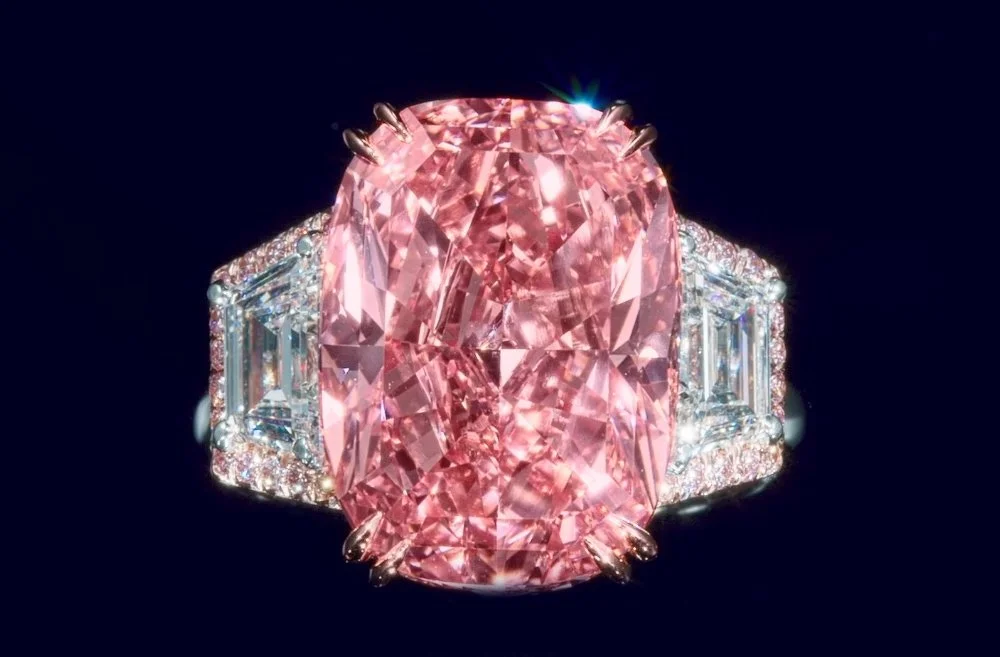
Williamson Pink Star
In 2022, the 11.15-carat Fancy Vivid Pink Williamson Pink Star sold at Sotheby’s Hong Kong for US$57.7 million — approximately US$5.18 million per carat.
It is the price of an exceptionally rare combination of color, size, clarity and provenance.
What I Look for When Acquiring One
I would not begin with the question:
“Is it pink?”
I would begin with:
“How rare is this particular pink?”
The distinction matters.
At the point of acquisition, I want to understand:
Color
How strong is the color, and what is the exact hue and modifier?
Size
How unusual is the carat weight for that color category?
Clarity
Does the clarity meaningfully affect the appearance, or is the color itself the dominant feature?
Origin
Is the stone documented as Argyle, or does it originate elsewhere?
Certification
Which laboratory has assessed the stone, and exactly what does the report confirm?
Provenance
Does the stone have a documented history beyond the laboratory report?
The Investment Conversation
I am cautious with the word investment when discussing diamonds.
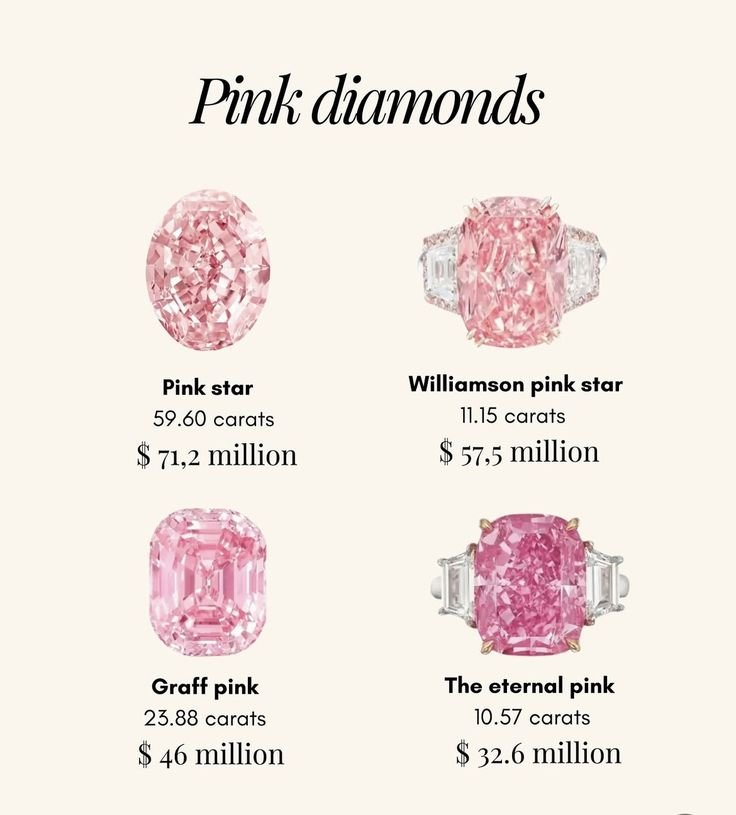
A rare natural diamond can preserve significant value and, in exceptional cases, appreciate considerably. The auction market has demonstrated the appetite for extraordinary pink diamonds repeatedly.
But a diamond is not a listed security, It is illiquid. There is a spread between acquisition and resale. The market for an exceptional stone is considerably smaller than the market for conventional jewelry.
The strongest case for a pink diamond is therefore not simply:
“It will go up.”
It is:
“There may never be another one like it.”
That is a different proposition.
The finite supply created by Argyle’s closure strengthens the scarcity of its remaining stones. But scarcity alone does not make every pink diamond valuable.
The stone still has to deserve the value being placed on it.
The Distinction Between Rare and Exceptional
This is the part of the market I think is most often misunderstood.
Rare is not the same as exceptional.
A natural pink diamond is rare.
A large, strongly saturated pink is rarer.
A large, strongly saturated pink with excellent clarity and desirable hue is rarer still.
Add documented Argyle provenance, significant size, exceptional color and a credible history of ownership, and you are moving into a very different market.
That is where the collector conversation begins.
The objective is not to own a pink diamond.
It is to own the right one.
And in a market where the original source has already closed, the distinction becomes increasingly important.
SLIMMS sources exceptional natural colored diamonds and gemstones for private collectors and clients seeking access beyond the public market.
Private inquiries regarding pink diamond acquisition are handled personally by Claudia.
Reach Claudia